

New Zealand
The rank indicates the popularity of a country among users. By clicking on the 'Appreciate' button, you can contribute to elevating a country's rank. Each 'Appreciate' click adds to the country's rank, so feel free to express your appreciation by boosting countries with content that resonates with you.
...
Rank
...
Views
0
Please login to appreciate


No Buildings yet.
No Architecture Offices yet.

Since
Architecture Office


0
Views
...
0
Project

2021
Since
Architecture Office


0
Views
...
0
Project

2000
Since
Architecture Office

Nestled within the serene landscape of Hawkes Bay, New Zealand, the McKenzie House is an 80m² architectural project completed in 2007 by Atelier Workshop. The residence was designed as a tranquil escape, situated within a productive apple tree orchard, which provides a unique sense of isolation despite being on the plains. The architecture of the McKenzie House is characterized by its simple and effective use of space and materials. The design team, led by Bonnifait + Giesen, focused on a simple, low-energy design using solar passive principles. A key feature is the contrast between smooth and textured materials, creating a visually interesting and harmonious living environment. The house was constructed to allow for the potential future installation of active solar systems. The two-story structure features an upper level containing the bedroom, offering a peaceful vantage point to enjoy views across the orchard. This design choice elevates the living space, placing the inhabitant within the canopy of the apple trees. The use of a restrained material palette underscores the project's minimalist and sustainable approach. The site itself plays a crucial role in the house's character. The apple orchard is planted in rows on a 4x3 meter grid, and the property is accessed via a long route, which enhances its feeling of privacy and seclusion. Project credits Architects: Atelier Workshop (Bonnifait + Giesen) Photographer: Paul McCredie


0
Views
...
0
Project

No Brands yet.
No Projects yet.
No Projects yet.
No Projects yet.

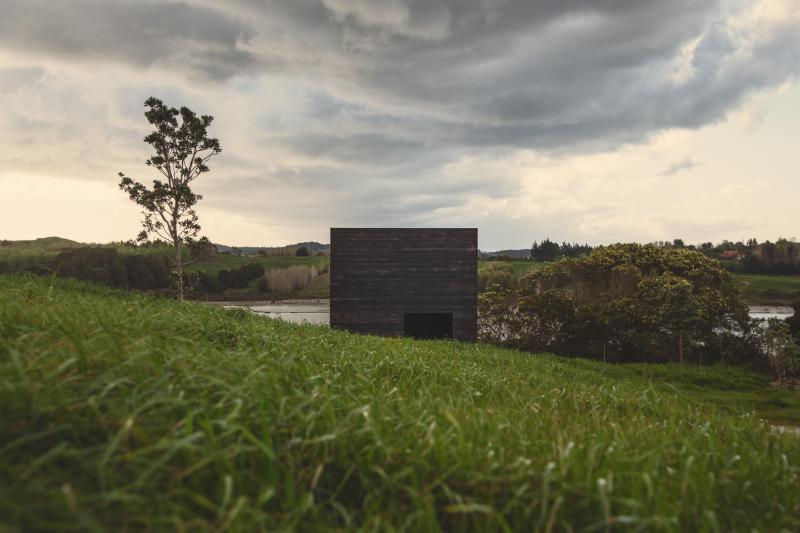
Completed in 2014, the Eyrie Cabins are a pair of small, autonomous holiday homes designed by New Zealand-based Cheshire Architects. Sited on a grassy hill overlooking the Kaiwaka Harbour, near the Tasman Sea, the cabins were conceived as a polemic against the trend of overly large and ostentatious holiday homes. Each cabin measures just 29 square meters, embracing a minimalist philosophy to intensify the connection between occupant and nature. The design is a bold response to its isolated, pristine setting, with the two cabins deliberately positioned low on the slope rather than on the hilltop plot that was originally assigned. This decision was made to make the structures less conspicuous and to help them feel like an intimate part of the landscape rather than something that dominates it. The cabins are clad in burnt black timber, a treatment inspired by the abstract painter Kazimir Malevich. This creates a stark, monolithic form that contrasts dramatically with the vivid green of the hillside and helps the structures blend into the landscape. In a radical departure from traditional cabin design, the Eyrie Cabins have no doors. Entry is gained by climbing a series of boulders and entering through a pull-down window. This subversion of standard building language was intended to make the small structures feel like something more than just houses—like small, autonomous vessels. Large, oblong windows are strategically placed to frame specific views of the coast and the hillside, while solid side walls ensure privacy between the two cabins. This limited fenestration creates a deeply interior, contemplative experience, contrasting with the typical desire for "indoor-outdoor flow" in coastal architecture. The cabins embody a philosophical stance against architectural decadence. By using minimal materials and a compact form, the project advocates for a more thoughtful and humble vision for coastal architecture in New Zealand. While the cabins present a stark, matching exterior, their interiors are beautifully and uniquely individualized for the two separate clients. The interior design emphasizes luxury through thoughtful detailing rather than opulent size. Cabin 1: Features a small, brass-clad kitchen, adding a jewel-like touch of luxury to the dark space. Cabin 2: Showcases the rich grain of oiled jarrah wood, which contrasts with the lighter tones of standard construction plywood. The material palette is restrained but carefully selected to enhance the serene and introspective atmosphere. Project credits Architect: Cheshire Architects (led by Nat Cheshire and Ian Scott). Photography: Jeremy Toth.


Architects:


Located in Otago, New Zealand, the Station Cabin by Crosson Architects involved the conversion of an existing shed on a remote sheep station into accommodation for farm workers and visiting guests. The project is known for its craftsmanship, compact efficiency, and its ability to provide a warm, protective interior set against the expansive, isolated landscape. The design contrasts the vast scale of the Otago sheep station with the compact and intricate interior of the cabin, evoking a feeling similar to being inside a sailboat on the open sea. It is both grounded on a hill and sheltered, providing a delightful and intimate retreat in the middle of a paddock. The thoughtful, efficient design economically uses every nook and cranny. The conversion retained the original solid timber floor and the plywood-lined, gabled walls and ceiling. The layout is tight and delicate, using well-crafted timber surfaces that exude an amber warmth. The interior spaces are intertwined to maximize functionality. A small loft area, accessible by a steel ladder, functions as an intimate, elevated observatory with treetop views. New cedar-lined walls and cedar cabinetry were integrated into the original structure. The original solid timber floor and gabled plywood ceiling were retained, maintaining the character of the existing shed. Project team and credits Architect: Crosson Architects Photographer: David Straight In 2018, the Station Cabin was a winner at the Southern Architecture Awards hosted by the NZ Institute of Architects (NZIA), in the Interior Architecture category. The jury noted the contrast between the project's compact interior and its expansive site.


Architects:


Completed in 2019, the 195-square-meter Bowentown Bach House by Edwards White Architects is a holiday home situated in the small coastal settlement of Bowentown, New Zealand, on the Bay of Plenty. The house was designed as a place of refuge, standing between a conventional seaside subdivision and a rugged coastal landscape of wind-swept dunes. The form of the dwelling takes inspiration from a piece of weathered, charred driftwood that has come to rest in the dunes. The exterior is defined by a singular, eroded angular shape clad in weathering black cedar, creating a sense of a protective shell. In contrast, the interior reveals warm, honey-toned timber linings, representing the untouched inner wood of the driftwood. The interior layout is bisected by a diagonal path that leads to a stairwell, taking guests up to the main elevated living space. From this raised position, the occupants can observe the sweeping views of the dunes and the sea. The dynamic geometry of the exterior is reflected in the interior, which features a variety of spatial experiences, from expansive, lofty areas to low, snug window seats. Openings and windows are strategically placed to maximize views of the natural environment, while solid walls on the opposite side provide refuge from the neighbouring suburbia. The warm, earthy colour palette of the materials, including rough-sawn timber flooring and black window frames, is chosen to allow the surrounding landscape to be the primary focus. Credits Architects: Edwards White Architects Lead Architect: Brian White Contractors: David Beattie Builders Engineering: Arnold and Johnstone Client: David Beattie Builders Team Member: Mark Parton Photography: Simon Wilson Manufacturers: Cosentino, Miele, APL NZ, Award Appliances, Colorsteel, Dryden Woodoil, Greens Tapware, Mohawk Flooring, Mr Ralph, Rosenfeld Kidson, Tile Space, Vintage Lighting, Warmington Fires


Architects:


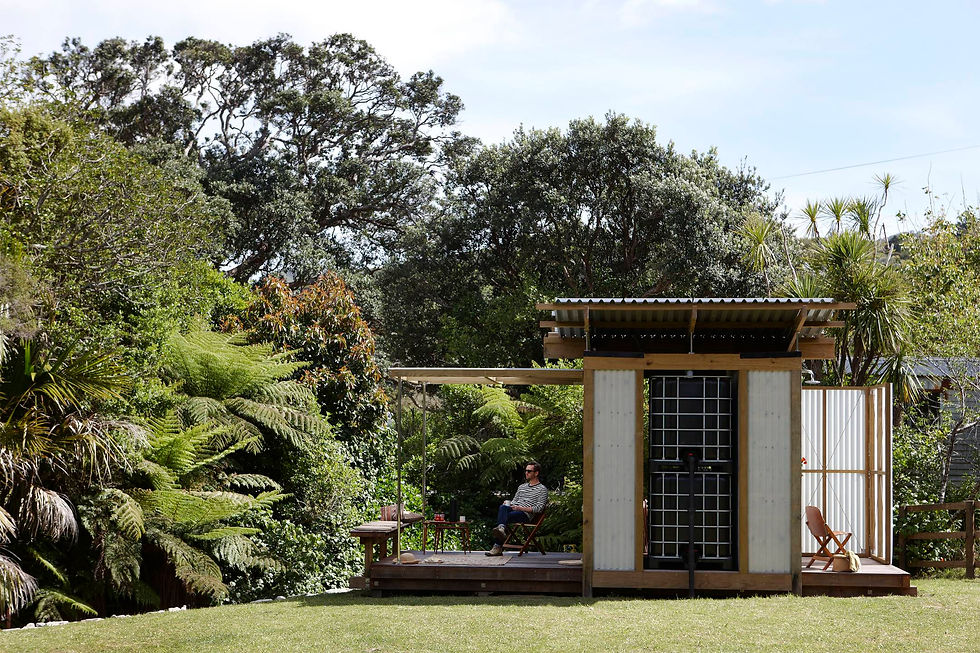
Created by New Zealand's Herbst Architects, the Utility Shed is a small but exquisitely detailed structure on Great Barrier Island. Designed for a family that uses the site as a summer retreat, the shed serves as a secure, functional space to be used and locked up while the main holiday house, or bach, is not in use. Located on a heavily treed lot with a stream leading to a sheltered beach, the shed is part of a larger, long-term plan for the property. Despite its small footprint of just 6 square meters plus a small deck, the shed is a testament to Herbst Architects' ability to work in harmony with the New Zealand landscape. Known for their sensitive, materially expressive, and context-aware designs, the architects approached this project with the same care as their larger, award-winning baches. The shed is designed to be as efficient and self-contained as a "Swiss army knife," ready to be unfolded and used. The design is autonomous and carefully positioned among the trees, with a boardwalk to protect the root systems. As is typical of Herbst's work on the off-grid Great Barrier Island, the shed minimizes its environmental impact. Credits Architects: Herbst Architects Photography: Jackie Meiring Location: Great Barrier Island, New Zealand Construction Period: 2017


Architects:


"The Karangahake House, designed by MAKE Architects NZ LTD, is a 100-square-meter prefabricated family home in the North Island of New Zealand, completed in 2019. The house is situated on a hilltop overlooking the Karangahake forests, the Kaimai Ranges, and the Waitawheta River valley. The design draws inspiration from traditional New Zealand tramping huts and focuses on sustainable, simple living and a connection with nature. The elongated, barn-like structure with a gable roof is designed to blend into the rural landscape. The home was built using efficient construction methods, with prefabricated floors, walls, and roofs assembled on-site in just four days. Its compact design includes a double-height living and kitchen area, a mezzanine level above two bedrooms and a bathroom, and a separate guest bedroom/office wing. An ""Outdoor Room,"" connects the main house to the guest wing and provides a flexible, sheltered space, with a section of polycarbonate roof filtering light and creating a lantern effect at night. The exterior is clad in locally sourced timber, which will age to a natural gray over time, while the interior features warm cross-laminated timber floors and plywood walls and ceilings. The Karangahake House incorporates carefully selected materials and finishes, weathertight linings, and efficient ventilation systems to promote sustainability and minimize environmental impact. Credits Architects: MAKE Architects NZ LTD Contractors: Carl O'Neill Builders Photography: David Straight Manufacturers: Abodo, Imo Group, Mr. Ralph Lighting, NK Windows, Plytech, Proclima, Wagener, Welhaus "


Architects:


"The Taieri Mouth Bach is a modern reinterpretation of the traditional, simple holiday cottage, or ""bach,"" built by architect Regan Johnston for his family while he was working at Mason & Wales Architects. Located on a sand dune near a fishing village at the mouth of the Taieri River on New Zealand's South Island, the project was completed in 2013 and took only eight weeks to build. The modest 55-square-meter dwelling was designed with a simple gabled form and honest, natural, and robust materials, paying homage to the original, often handmade, fishing huts and baches of the area. The bach's straightforward and economical construction is balanced by a striking, fully-glazed end wall that offers expansive views of the surrounding dune, Moturata Island, and Taieri Beach. To minimize view obstruction while ensuring the structure's stability against high winds and earthquakes, the glazed gable end is reinforced with a system of steel tension rods arranged in an X pattern. An open-plan living area occupies most of the ground floor, featuring a vaulted ceiling that rises to the roof ridge. Another wall with large sliding glass doors opens the living space to a timber patio on the sunny north side. The kitchen, bathroom, laundry, and storage areas are located at the back of the house. The project has been praised for its simplicity, charm, and unquestionable sustainability, with minimal waste during design and construction. It was a recipient of a NZIA Residential Award and a Supreme Timber Building Award at the 2013 New Zealand Wood Awards. Credits Architect: Regan Johnston, Mason & Wales Architects Contractor: JJ Oskam Builders Photography: Mason and Wales Architects"


Architects:


"Tucked into the base of a Pōhutukawa-lined cliff in Auckland's Herne Bay, Boathouse 01 by Michael Cooper Architects is a modern and elegant solution for waterside living. The boathouse was designed to provide clients with a practical space for storing and launching their boats, including a powerboat and a fully rigged Laser yacht, while creating a graceful connection to the Waitematā Harbour. Its design is a contemporary take on the traditional gable house, featuring an asymmetrical form tailored to its function and location. The exterior is defined by a refined material palette, with dark corrugated metal cladding that allows the structure to recede respectfully into the cliff's edge. This is complemented by purpleheart hardwood decking that extends from the structure, creating a seamless transition to the water's edge. The most striking exterior feature is the translucent cladding on the front and rear of the building. When the large doors are open, this cladding evokes the sails of a yacht, while at night, with the doors closed, the boathouse glows like a ship's lantern. Inside, the architecture is designed for both function and beauty within a maritime environment. The walls are lined with Meranti ply, and custom shelving provides integrated storage. The main boat storage area on the ground floor is visually separated from a mezzanine workspace by laminated timber portal frames, a design detail that references typical boat construction. The interior spaces are filled with natural light, particularly when the large doors are open, and the overall feel is one of thoughtful, practical elegance. Project credits Architects: Michael Cooper Architects Lead Architect: Michael Cooper Builder: IBL Building Limited Structural Engineers: AMX Structures Limited Photographs: Mark Scowen "


Architects:


"Nestled in the Waikereru Ecosanctuary near Gisborne, New Zealand, the Waikereru Welcome Shelter is a multi-functional architectural project by PAC Studio that serves as a gateway for visitors exploring the restored native forest. Conceived as a hub for environmental education, the shelter was built in 2015 through an extraordinary community effort, involving 88 volunteers and donations from 88 suppliers. This unique collaborative process allowed for the creation of a piece of public architecture with minimal architectural resources. The shelter's design is inspired by the traditions of the picturesque, featuring an elegant, steel, and architectural fabric canopy that appears to float above three rough-hewn timber boxes. These boxes are strategically positioned to frame specific views of the surrounding hills and valley, creating a sense of dialogue between the built structure and the landscape. The structure's exterior is clad in Abodo's Tundra timber, which was donated for the project. Within the timber enclosures, visitors will find storage space, ablution facilities, and an office for the site ecologist. The simple, honest construction techniques contrast with the refined, floating canopy, creating a unique and timeless feel. A roof deck on one of the enclosures offers a stunning view of the valley and is accessed via a greenwood ladder made from a Manuka tree harvested from the site. In 2020, the project received national recognition, winning a New Zealand Architecture Award for Small Project Architecture. Project credits Architecture: PAC Studio (Principal: Sarosh Mulla) Client: Longbush Ecological Trust Fabrication: Sarosh Mulla Design and 88 community volunteers Photography: Simon Devitt Materials Donated By: 88 sponsors (including Abodo Wood)"


Architects:


"Located in the Berhampore suburb of Wellington, New Zealand, the Herald Garden Studio is a 183-square-foot timber-framed structure designed by Parsonson Architects to provide additional, flexible living space for a family in a compact Victorian cottage. Sited at the southern end of the property, the studio was conceived as a multi-purpose retreat, capable of functioning as a children's playroom, a quiet study, or extra guest accommodation as the family's young sons grow. The design is sensitive to its surroundings, with the studio sitting lightly on timber piles to minimize its impact and allow the deck to wrap around an existing olive tree. A sheltered, triangulated pergola and deck connect the new studio to the main house both physically and visually, stitching the two structures together while reinforcing the connection to the lush garden. The studio faces north to maximize natural light throughout the day, while the pergola helps to screen the interior from high summer sun. Inside, the material palette is raw, simple, and eco-conscious. The structure and internal linings are made entirely of wood, including zero-formaldehyde Strandboard finished with natural WOCA oil. This choice of materials lends a minimalist interior and aligns with the project's sustainable principles. The compact floor plan includes a main living area, a tucked-away bathroom and storage space at the rear, and a mezzanine level for sleeping, playing, or storage. The Herald Garden Studio demonstrates how clever design on a tiny scale can support sustainable urban infill, allowing a family to stay in their beloved neighborhood rather than moving to the suburbs for more space. Project credits Architecture: Parsonson Architects (Lead Architects: Gerald Parsonson, Craig Burt, Maximilien Tisserand, Amelia Hoult) Engineering: Spencer Holmes Ltd Contractor: Flawless Construction Photography: Paul McCredie"


Architects:


"Designed by Wellington-based Patchwork Architecture, the Fontbunker is a small, two-level building that functions as both a creative workspace and a guest retreat on a compact urban property. Created for Kris and Jess Sowersby, the owners of the Klim Type Foundry, the project was a unique expansion that deliberately separates the work and leisure zones from the main home. The design is a clever, vertically organized response to the limited space, with each level having a distinct character. The lower-level workspace, referred to as the ""Fontbunker,"" is partially submerged into the ground and enclosed by an in-situ board-form concrete exterior. The interior of the studio is a focused and calm environment, with windows carefully positioned to allow ample natural light while minimizing glare on the client's extensive book collection. Here, rimu cabinetry floats above a parquet floor, and a large pivoting glass door opens to a small garden space, connecting the interior with the landscape. The upper-level guest accommodation, accessible via an external cantilevered concrete staircase, is a lighter, warmer space. It is clad in black anodized aluminum, which contrasts with the raw concrete of the lower level. Inside, soft and warm materials create a serene atmosphere, with wool carpet, cedar wall and ceiling linings, and leathered stone. The material palette, featuring stone, brass, and timber, visually links the two levels, creating a cohesive building despite their differing functions. Throughout, exquisite craftsmanship and attention to detail, including custom bronze fittings by local artist Ben Pearce, imbue the project with a sense of quality and quiet refuge. Project credits Architecture: Patchwork Architecture Build: Dorset Construction Landscape Design: Local Landscape Architecture Collective Artwork (Bronze Fittings): Ben Pearce Photography: Mary Gaudin"


Architects:


"Perched on a steep, challenging site in Redcliffs, Christchurch, the Augusta Treehouse by Performance Architecture is a compact and energy-efficient two-bedroom home. Designed to feel like a ""treehouse,"" the 65-square-meter dwelling, which has a footprint roughly the size of a double garage, was conceived for a couple committed to simple, compact living. The house maximizes its connection to the dramatic landscape through large feature windows that frame views over the treetops to the Ihutai estuary and the Heathcote and Avon Rivers below. The design of the Augusta Treehouse prioritized energy efficiency and a low-impact construction process. It was constructed with Structural Insulated Panels (SIPs), which, combined with the building's compact form, create a well-insulated thermal envelope that requires very little heating. The interior features a warm, cozy feel, with the SIPs and timber tones left exposed on the walls, roof, and floor panels. To further enhance energy performance and privacy, polycarbonate panels were used in the stairwell, allowing soft, south-facing light to filter in. The house also includes a mechanical heat recovery ventilation system due to its airtight construction. The main living areas, including the kitchen, dining, and laundry, are located on the lower level, while the two bedrooms and a bathroom are situated on an open mezzanine. A skylight above the main bedroom can be opened to purge excess heat during the summer. The thoughtful design, from the efficient use of space to the sustainable material choices, earned the Augusta Treehouse a Highly Commended Award for New Home up to 150m² and a Regional Kaitiakitanga Award at the 2024 Architectural Designers New Zealand (ADNZ) awards. Project credits Architecture: Performance Architecture (Dan McCormick and Hailey Sinke) Builder: Chatterton Homes Photography: Stephen Goodenough Supplier (SIPs): Formance Supplier (Roofing): Metalcraft Roofing "


Architects:


"Located at the foothills of Mount Hutt in Canterbury, New Zealand, the Kererū Retreat is a sustainable, off-grid micro-cabin designed by Studio Now (formerly Studio Well Architecture) and completed in 2020. The transportable, 17.3-square-meter cabin was conceived as a private retreat for the architect-owner, Ben Comber, who sought a place to unplug and reconnect with nature. Its compact design reinterprets the rural New Zealand vernacular and can be seasonally moved, much like the native Kererū birds that roost in the nearby kōwhai trees. The minimalist, handcrafted alpine cabin proves that ""bigger isn't always better,"" with a focus on high-quality finishes within its seemingly spacious but small footprint. Its design is based on efficiency, simplicity, and sustainability, allowing it to fully engage with its surroundings. Built using salvaged timber and galvanized iron, the exterior features a gable form with Douglas fir rain screens on the end faces and sliding timber shutters that cover the large windows for privacy and weather protection. The interior uses untreated timber paneling, creating a warm and cozy atmosphere. An open-plan layout includes a central living space with a built-in sofa, a minimalist kitchen, and a dining nook with a fold-down table. The sleeping area, which features an elevated queen bed, is situated on a mezzanine level and includes a panoramic window for stargazing and enjoying the views. A loft area and a hidden bathroom with a composting toilet are also included to maximize the small space. The retreat is entirely off-grid and self-sufficient, relying on a rooftop solar system for electricity, a rainwater collection tank for water, and a wood-burning fireplace for warmth. Its design has received several accolades, including an award at the Architectural Designers New Zealand Design Awards. Credits Architect: Ben Comber of Studio Now Photographer: Stephen Goodenough Manufacturer: tinyretreatsnz"


Architects:


"The Wiggins house in Sumner, Christchurch, New Zealand, is a family home designed by Urbanfunction Architecture and completed in 2022. Facing challenges such as a narrow site in a flood zone and proximity to neighbors, the design incorporates a gable form and central axis as a nod to the site's original cottage. The layout includes staggered garage and living wings that create courtyards to enhance natural light indoors. The exterior combines Abodo Sioo:x timber cladding and reclaimed bricks at the entrance. Inside, a glass door provides a view through a hallway with lime plaster, leading to a bright, open-plan living area featuring a double-height ceiling and mezzanine. The interior design uses natural materials like reclaimed brick and timber, along with textured plaster and curves, to soften the space. Upstairs, windows offer views of the Port Hills, and there's a hidden room. Credits Architecture: Urbanfunction Architecture Interior Designer: Abbie Herniman, The Home Maker Builder: BUILT CHCH Photography: ABI Interiors, Anna McLeod"


Architects:


"Located in Nelson, New Zealand, the Studio House is a 42-square-meter relocatable home designed by architect William Samuels and his partner, Hannah D'Arcy, and completed in 2022. The project was an experimental, hands-on response to New Zealand's housing crisis, with the couple building the home themselves over 18 months on a limited budget. The project demonstrates an affordable and sustainable path to homeownership, prioritizing liveability and a smaller footprint over size. The house is composed of two timber-framed, barrel-vaulted modules placed side-by-side. This modular approach allows the home to be easily disassembled and relocated via a flatbed truck, offering a flexible and ""permanently relocatable"" living option. Corrugated metal panels clad the exterior, while a barrel-vaulted ceiling brings in natural light through large, curved windows at either end of each module. The interior of the Studio House uses natural materials, including rimu timber cladding on the walls, and contains no paint. The barrel-vaulted ceilings create a sense of spaciousness, while the window frames are hidden within the wall cavity to provide an uninterrupted view of the surrounding tree canopies. The layout features a loft above the bathroom, which serves as a cozy reading room with views, and a large sliding glass door opens onto a deck to extend the living space outdoors. The house is designed to evolve over time, with the option to add more modules for bedrooms or workspaces in the future. Credits Architects: William Samuels Architects (William Samuels) Design and Construction: William Samuels and Hannah D'Arcy Photography: Simon Devitt Client: William Samuels and Hannah D'Arcy Manufacturers: Autex, APL NZ, Jacobsen, Polyfloor, Valchromat MDF coloured"


Architects:


Designed by Anna-Marie Chin Architects and completed in 2015, Tom's House is a compact, award-winning home located in the Jack's Point residential subdivision near Queenstown, New Zealand. The house was conceived as part one of a two-stage plan, and its design takes cues from the region's rural vernacular while providing a contemporary and dynamic living space. Drawing inspiration from a traditional rural shed, the architects utilized a simple, dark Colorsteel skin that wraps over the walls and roof of the building. The modest structure is given a modern twist through a highly sculptural Exterior: The simple shed form is reinterpreted with a gable roof running diagonally across the building, creating dynamic elevations that echo the surrounding mountain landscape. The asymmetrical ridgeline follows the contour of the land and provides variation in the internal ceiling heights. Dark, recessive tones were chosen for the walls, roof, and window frames to help the home nestle discreetly into its impressive natural environment. Interior: In contrast to the robust, protective exterior, the interior offers a warm and inviting atmosphere. Recessed areas, such as the porches and entry, are lined with honey-colored plywood, extending the interior outwards and creating a strong indoor-outdoor connection. The same warm-toned plywood lines the interior walls and ceilings, creating a sense of enclosure and coziness. Space optimization: The 156-square-meter home is designed for efficiency and flexibility. Its layout features numerous cleverly designed niches and hidden storage areas, including a mezzanine study accessed by a ladder above the dining area. Polished concrete floors provide a resilient base and help absorb warmth. Awards and recognition Despite its modest size and budget, the sophisticated design of Tom's House has been recognized with multiple awards: 2016 Home of the Year: Best Small Home (New Zealand). 2016 New Zealand Architecture Awards: Housing. 2016 Southern Architecture Awards: Winner. Credits Architects: Anna-Marie Chin Architects. Builder: Multiline Construction. Structural Engineer: Lewis Bradford & Associates. Landscape Architect: LAND. Photography: David Straight.

Architects:

The Karaka Tower, designed by New Zealand-based ARÊTE Architects, is a nine-square-meter prefabricated timber annex that acts as a secluded extension to an existing 1970s home. Situated on a steep, heavily vegetated hillside in Eastbourne, Wellington, the tower provides a new bedroom and art studio for a growing family. The design is celebrated for its innovation in overcoming a difficult site and its intimate connection with the native bush. The project's architectural concept was heavily influenced by its challenging location, which was only accessible by foot. The modular construction and use of a helicopter to lift the prefabricated components onto the site in a single day minimized disruption to the neighbors and the delicate environment. The tower is clad in untreated stringybark eucalyptus, chosen for its hard-wearing properties and its ability to weather and grey over time, blending harmoniously with the surrounding tree trunks. In contrast to the rugged exterior, the interior is warm and inviting. The exposed cypress wood frame is a key design feature, evocative of a "childhood treehouse". The joinery is dominated by pine and cypress, waxed with beeswax sourced from the site. A polycarbonate and cypress wood corridor links the tower to the main house, resembling a treehouse bridge and filtering daylight softly into the interior. Rooftop terrace: A roof garden sits atop the tower, providing a rare flat surface on the steep site and offering sweeping views of the harbor. The compact design features a mezzanine bedroom on the ground level, while an art studio occupies the top floor, with large sliding windows that provide stunning views of Te Whanganui-a-Tara (Wellington Harbour). Awards and recognition The innovative and context-sensitive design of the Karaka Tower has garnered international recognition: ICONIC AWARDS 2025: Winner in the architecture category. Dezeen Awards 2024: Shortlisted in the House Renovation category. Credits Architects: ARÊTE Architects Studio Founder: Sam Brown Fabrication: Makers Fabrication Photography: Thomas Seear-Budd Client: Nick Jensen Roofing: Viking Roofspec
Architects:

Nestled within the serene landscape of Hawkes Bay, New Zealand, the McKenzie House is an 80m² architectural project completed in 2007 by Atelier Workshop. The residence was designed as a tranquil escape, situated within a productive apple tree orchard, which provides a unique sense of isolation despite being on the plains. The architecture of the McKenzie House is characterized by its simple and effective use of space and materials. The design team, led by Bonnifait + Giesen, focused on a simple, low-energy design using solar passive principles. A key feature is the contrast between smooth and textured materials, creating a visually interesting and harmonious living environment. The house was constructed to allow for the potential future installation of active solar systems. The two-story structure features an upper level containing the bedroom, offering a peaceful vantage point to enjoy views across the orchard. This design choice elevates the living space, placing the inhabitant within the canopy of the apple trees. The use of a restrained material palette underscores the project's minimalist and sustainable approach. The site itself plays a crucial role in the house's character. The apple orchard is planted in rows on a 4x3 meter grid, and the property is accessed via a long route, which enhances its feeling of privacy and seclusion. Project credits Architects: Atelier Workshop (Bonnifait + Giesen) Photographer: Paul McCredie
Architects: