

Canada
The rank indicates the popularity of a country among users. By clicking on the 'Appreciate' button, you can contribute to elevating a country's rank. Each 'Appreciate' click adds to the country's rank, so feel free to express your appreciation by boosting countries with content that resonates with you.
28
Rank
...
Views
0
Please login to appreciate
No Buildings yet.






.png)


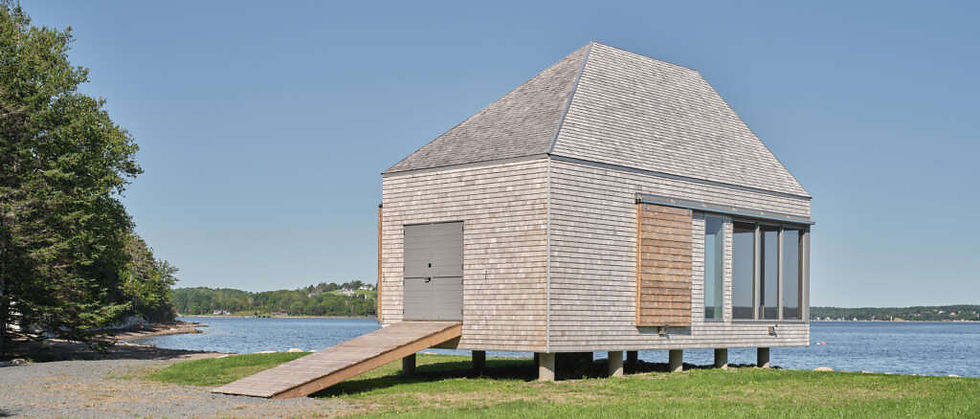
The Green Cabin, designed by Daymark Design Incorporated, is a 576-square-foot, boat-access-only retreat located on Roberts Island in Georgian Bay, Ontario, Canada. Completed in 2024, the cabin serves as a seasonal extension to an existing cottage on the property. The cabin is a contemporary interpretation of traditional cottage aesthetics, respectfully designed to complement the existing structures on the island. It features a standing-seam metal cladding that creates a continuous surface from the roof to the walls, giving it a sleek, modern appearance. Situated on a rugged, rocky outcrop, the cabin is oriented to maximize views of the expansive Georgian Bay. Its position was carefully planned to meet zoning bylaws and avoid obstructing views from neighboring properties. The all-metal cladding was chosen for its durability, protecting the structure from the severe weather conditions of the Georgian Bay region, including high winds, heavy snow, and lake exposure. A thin steel drip edge acts as a protective "eyebrow" over windows, directing rain away from the facade. In contrast to the restrained exterior, the cabin's interior is colorful and playful, with sloped ceilings and large windows that create a vibrant atmosphere. The space is designed to be versatile, functioning as a guest room, a lounge, or a workspace. The cabin is elevated to protect it from fluctuating lake levels and built to withstand the region's extreme climate. Small awning windows framed in natural ash allow for cross-ventilation during the warmer seasons, acting as "portals" to the surrounding nature. A centrally located skylight illuminates the interior, enhancing the sense of space and tranquility. Project credits Architect: Daymark Design Incorporated. Interiors: Daymark Design Incorporated and Martha LA McCain. Photography: Adrian Ozimek. General Contractor: GB Heintzman Construction Ltd.. Structural Engineers: Tacoma Engineers. Mechanical Consultant: GTA Designs Inc.


Architects:


Designed by Toronto-based Dubbeldam Architecture + Design, the Bunkie On The Hill is a small, contemporary retreat completed in 2022. Located in the Muskoka region of Ontario, Canada, it is the smallest of several cabins on a family-owned property. It is tucked into the treeline on a steep slope, providing a quiet escape from the main, multi-generational family cottages below. The cabin reinterprets the traditional A-frame design with two intersecting, offset gables that create distinct volumes and elevations. This split-roof design, inspired by the layered shale rock formations found in the area, allows for carefully placed window openings that offer curated views of the forest and the lake. The design emphasizes both a strong connection to nature and a commitment to sustainability. The exterior features greyed wood siding and natural cedar soffits, which are intended to patina over time and blend further into the rustic landscape. The foundation consists of board-formed concrete that sits lightly on the existing rock contours, avoiding any need for invasive blasting. Inside, the home is functional despite its compact size, with built-in storage and benches. A variety of FSC-rated wood species line the interior, including oak flooring, maple plywood partitions, and Western red cedar slats for the ceiling, which echo the surrounding forest. The interior perimeter walls are clad in white wallboard. The home's layout features a main living area with a fireplace and a kitchen on the lower level, a bedroom with a large window and forest views at the rear, and an upper loft with a built-in desk and extra sleeping space. The large, geometric windows frame views, flood the interior with natural light, and create dramatic angular shadows that change throughout the day. In the evening, the warmly lit cedar interior transforms the cabin into a glowing lantern among the trees. Sustainable features include thickened walls with an R-value over 40, triple-glazed windows for passive insulation, and low-flow, low-energy fixtures. Credits Architects: Dubbeldam Architecture + Design Design Team: Heather Dubbeldam, Scott Sampson, Krystal Kramer Photography: Riley Snelling General Contractor: HLD Corporation (HLD Muskoka) Structural Engineer: Blackwell Structural Engineers


Architects:

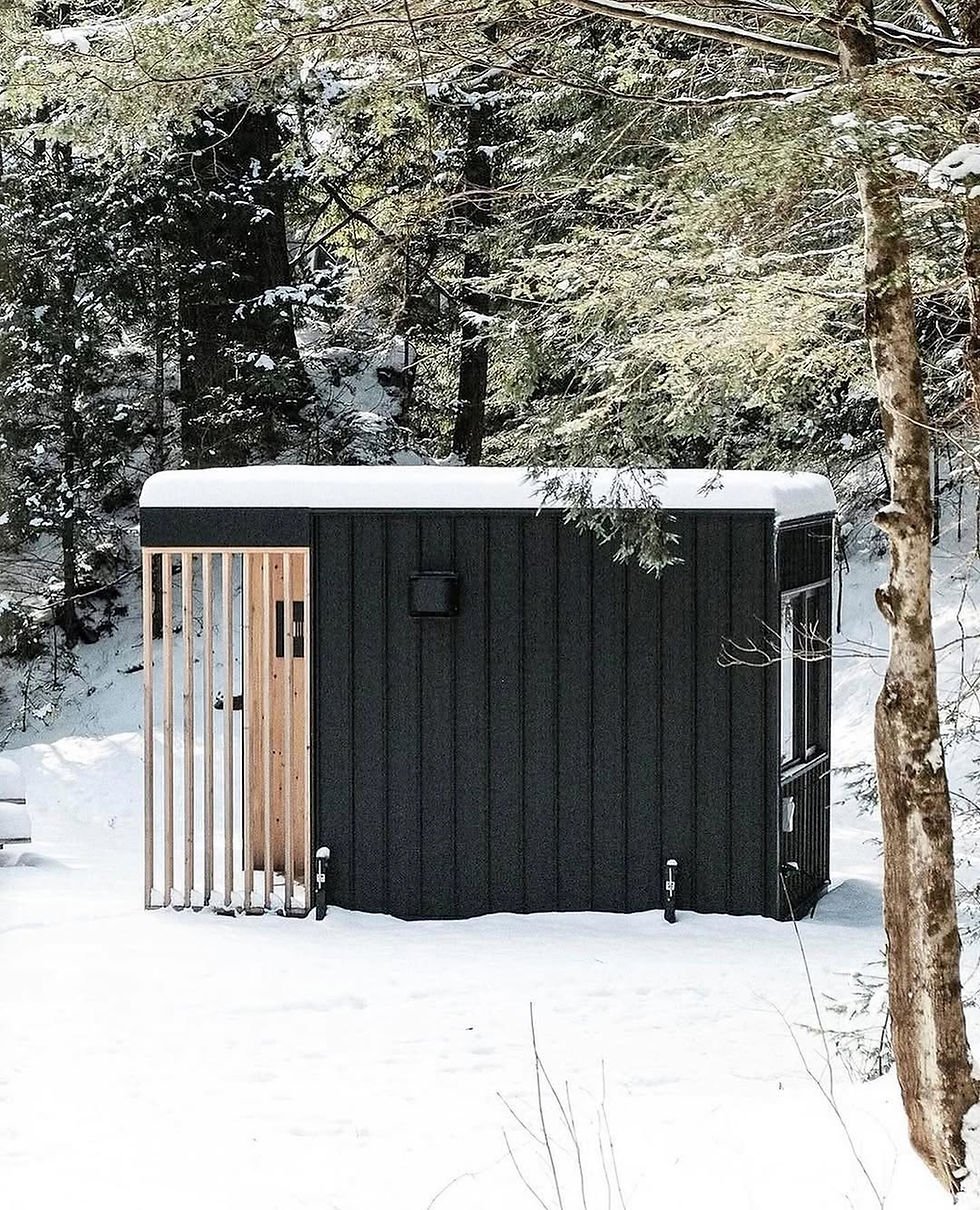
Cécile Lodge is a modular, off-grid tiny home built by Go-Box, located in a wooded area in Lac-Mégantic, Quebec. Designed as a prototype for a new resort project, the lodge is intended for adventure lovers, offering ski-in/ski-out and bike-in/bike-out access. The project emphasizes a strong connection to nature and a flexible, space-efficient living experience, inspired by the "van life" movement. The Go-Box design philosophy revolves around offering portable, prefab structures that can be combined and customized. For Cécile Lodge, the clients needed a small space with large floor-to-ceiling windows to invite the outdoors in. The result is a highly functional interior that incorporates movable, built-in furniture, reminiscent of a game of Tetris. A key feature is the convertible living area, which uses a pull-out bed to transform the main space into a large bedroom at night, suitable for a couple with two children. The interior boasts a simple aesthetic with finishes made from either Russian ply or pine. A small kitchenette is integrated into the layout, featuring a gas stove, kitchen accessories, and a mini-fridge. A full bathroom with a toilet and shower is also included. Outside, the lodge is finished with a low-maintenance steel exterior and a cedar or pine terrace, while inside, comfort is ensured with insulation and the option for a heat pump and heated floors. Located in the forest with mountain views, Cécile Lodge is off-grid but is equipped with a well and septic system. It serves as a retreat for those who wish to disconnect from daily life, refuel their energy, and immerse themselves in the surrounding natural environment. Credits Designer and Manufacturer: Go-Box (Emelie Holmberg) Location: Lac-Mégantic, Quebec


Architects:


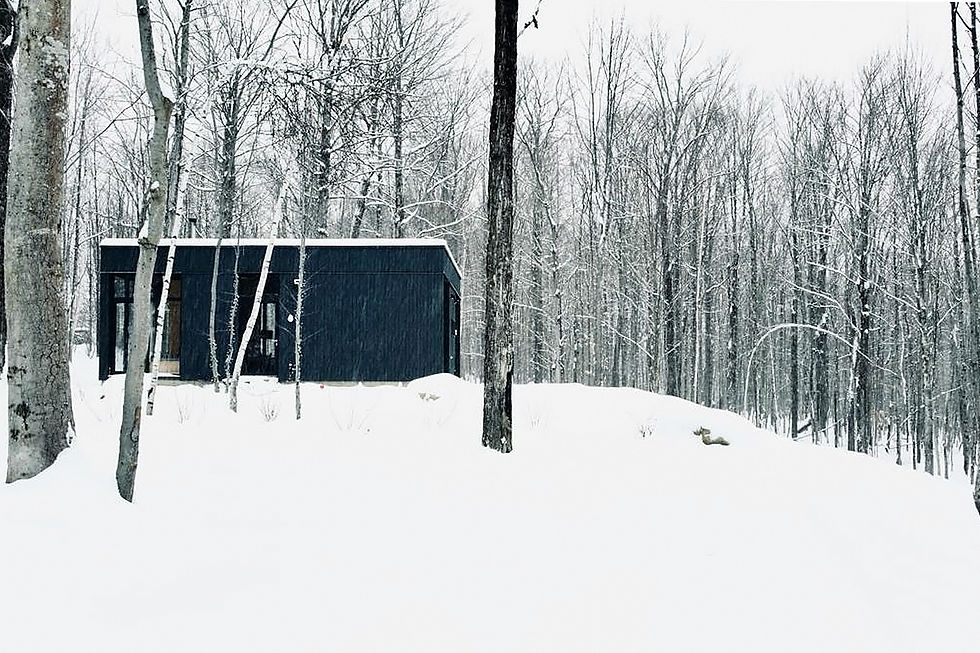
Designed by Jérôme Lapierre Architecte, Casa Spinone is a secluded house located in the forest of Potton, Quebec, designed to prioritize a deep connection with its wooded environment. Completed in 2024, the house is a contemporary interpretation of a traditional wooden cabin. Its minimalist footprint and design focus on reducing its impact on the site's unique trees and rocks. The home's spatial experience is characterized by a deliberate alternation between open and sheltered areas. The main living area features extensive glazing, stretching toward the forest and opening onto a terrace that extends the interior outward. The house's location allows the seasonal foliage to either warm the interior with sunlight or cool it by filtering the light. Functional elements such as the kitchen, storage, and mechanical systems are integrated into a central block of furniture, optimizing function while minimizing the built area and concealing conduits for a cleaner aesthetic. A low-ceilinged threshold marks the transition to the private night zone, which includes two bedrooms flanking a central block of water features. The project's material strategy emphasizes a more economical and frugal use of wood compared to glued laminated timber. It celebrates the precision of the assemblies and the beauty of raw materials. This approach highlights an architecture that is contextually rooted, humble, and poetic, and demonstrates a deep respect for Quebec's natural environment and modern issues of sustainability. Credits Architect: Jérôme Lapierre Architecte Construction: NH Construction Photography: Maxime Brouillet

Architects:


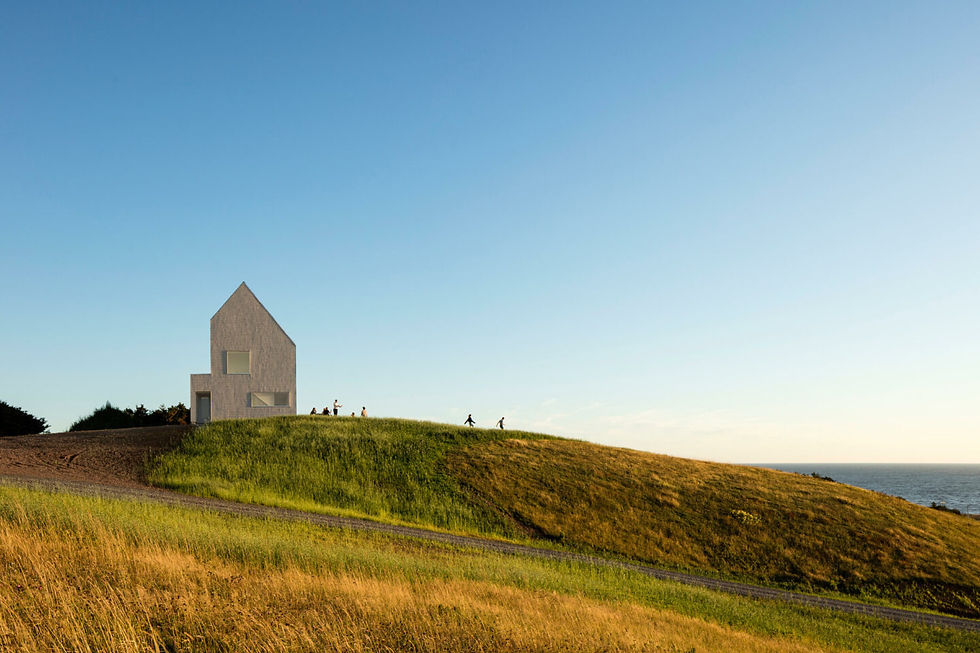
Les Rochers is a contemporary holiday home located on Île du Havre Aubert, one of the Magdalen Islands in Quebec, Canada. Designed by la Shed Architecture and completed in 2019, the project consists of a main house and a guest cabin, which serve as a retreat for a couple. Situated on a hillside with panoramic views of the sea, the house was conceived to provide a sophisticated getaway in a windswept landscape of shores, meadows, and dunes. The design is a modern interpretation of the traditional shingled houses and fishing huts found on the islands, but with a unique, contemporary twist. Instead of traditional vestibules, the architects used asymmetric gabled forms that appear sculptural and well-anchored in the local context. The exterior of the house and cabin is clad in untreated, natural-colored cedar shingles, which are left to weather naturally and harmonize with the coastal environment. Large windows are strategically placed to maximize the 360-degree views of the maritime landscape. Inside, the home features a minimalist and airy aesthetic. The open-plan layout creates a spacious feel within the compact footprint. The material palette includes both natural wood and clean, modern finishes. The project, including both the main house and guest cabin, has been recognized for its design, receiving a Platinum award at the 14th edition of the GRANDS PRIX DU DESIGN. Credits Architects: Renée Mailhot, Yannick Laurin, and Sébastien Parent of la Shed architecture Clients: Vincent Morel and Jan-Nicolas Vanderveken Architectural Team: Romy Brosseau, Kevyn Durocher, Guillaume Fournier, Samuel Guimond Photography: Maxime Brouillet

Architects:


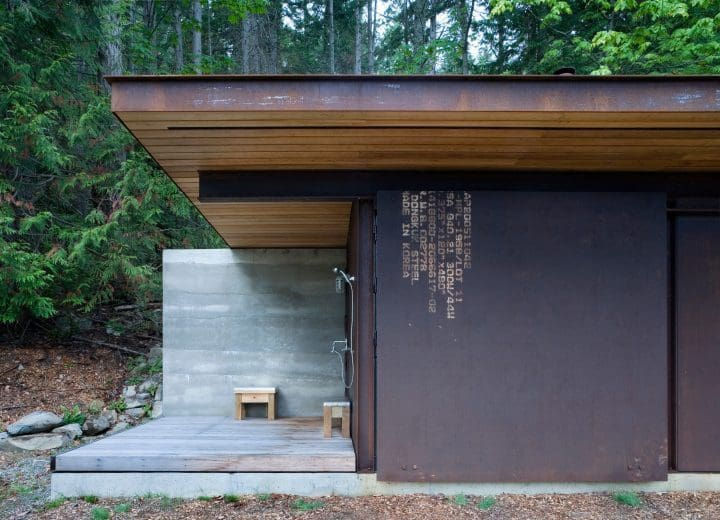
The Enough House is a 700-square-foot timber-framed dwelling designed by MacKay-Lyons Sweetapple Architects as a prototype for minimalist living with a "rural industrial" aesthetic. Completed in 2015, the project is located in Upper Kingsburg, Nova Scotia, on architect Brian MacKay-Lyons's Shobac farm, a "Ghost Architectural Laboratory" and campus that serves as a research ground for the firm. The small, gabled volume functions as a gatehouse on the property, creating a dialogue with adjacent historic structures. Clad in Cor-Ten steel, its rusty orange exterior intentionally contrasts with the surrounding landscape of rolling pastures and the silver-grey finishes of other campus buildings. The design is practical for the region's climate, with a lack of eaves to prevent ice dam formation in an area known for a high number of freeze/thaw cycles. Raised off the ground by three reinforced concrete fin walls, the structure is designed to "touch the land lightly," a principle inspired by Australian architect Glenn Murcutt. These fin walls also extend to shape an entry dooryard and a fire court, integrating the house with its immediate surroundings. Inside, the home explores the beauty of raw materials and simple construction. Exposed wood framing and Douglas fir plywood sheathing create a warm, rustic interior, with Cor-Ten steel details echoing the exterior. A central plywood-sheathed core contains the more "finished" service areas, like the kitchen and bathroom. Expansive windows, including a large corner window, frame views of the pastoral valley and the Atlantic coast, connecting the minimalist interior with the dramatic landscape. Credits Architects: MacKay-Lyons Sweetapple Architects Engineering: Renee MacKay-Lyons (Wood Platform Frame); Blackwell Structural Engineers (Foundation) Photography: William Green, James Brittain


Architects:
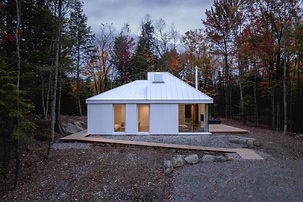

"Tucked away in a serene forest in Quebec's Eastern Townships, Habitat Sélénite by Naturehumaine is a compact, wellness-focused retreat that draws inspiration from the crystalline mineral of the same name. Designed for a self-builder couple, the 1,296-square-foot cabin (36x36 feet) combines ecological architecture, universal accessibility, and a resort-like experience into a single, cohesive design. The structure is defined by its striking, all-white exterior, which evokes the tranquil, restful properties of the selenite mineral. The architects created this effect with white-painted wooden planks and matching metal roof panels. The geometry of the roof, designed as two inverted crystal-like prisms, gives the structure its unique, modern form while referencing the mineral's crystalline nature. Square skylights punctuate the peaks of these roofs, flooding the interior with natural light and emphasizing the home's sense of balance and symmetry. In addition to its aesthetic vision, the project prioritized universal accessibility to ensure the space is functional and safe for as many users as possible, addressing a common limitation in vacation properties. The interior is a haven of wellness, featuring amenities like a steam bath, sauna, cold bath, and a salt room. A home automation system controls lighting synchronized to the circadian rhythm and can even launch guided meditation sessions. The monochromatic white palette and high ceilings in key areas, such as the living room and bathroom, amplify the peaceful and restful atmosphere. Sustainability was a key consideration in the build, with the clients opting for healthy, local materials like hemp wool for insulation. To enhance the sense of seclusion and wellness, a Faraday cage was installed to block electromagnetic waves, catering to those with electro-sensitivity. Project credits Architecture: Naturehumaine Construction: Construction Espresso Photography: Raphaël Thibodeau Engineering: Geniex Brands: Alumilex, Béton Johnstone, Béton Johnstone, Ceragres, Hamster, Journeault Jourplex, Journeault Jourplex, Mac Métal, Maxi-Forét, Philippe Rivest, Rubinet, Sauna spécialiste, Stuv, Trévi-9 "


Architects:




"Perched along the rugged Bay of Chaleur in New Brunswick, Canada, The Sandbox is a contemporary, three-story timber-clad residence designed by Halifax-based Peter Braithwaite Studio. Completed in 2023 for a couple who run a local excavation business, the home was conceived as a resilient and thoughtful beach house that celebrates both its dramatic coastal location and the local construction trades. The design is a deliberate contrast of elements, combining a minimalist, boxy form with robust, durable materials chosen to withstand the harsh Atlantic climate of heavy winds and rain. The exterior is clad in Eastern white cedar and weathering steel, which will gracefully age and patina over time to blend with the weathered shoreline. A striking Corten steel staircase wraps around the building's exterior, leading to an elevated viewing deck that offers expansive vistas of the bay. This industrial detailing, along with the home's sturdy construction, gives it a tough, resilient character. Inside, the home is a celebration of craftsmanship, light, and an open layout designed to connect with the landscape. A custom-built kitchen island serves as a central hearth for social gatherings, while strategically placed windows frame views and fill the space with natural light. The material palette is a thoughtful mix of timber, plywood, and other natural materials. A master bedroom hovers over the living area, featuring a glazed corner that allows for immersive views of the bay. The home's design and build were approached on a humble budget, with local connections to regional trades and manufacturers fostering lasting relationships and resulting in a well-crafted dwelling built to last. Project credits Architecture and Design-Build: Peter Braithwaite Studio Client: Joshua and Chelsea Jenks Photography: Ema Peter"


Architects:


"Chalet Papillon is a modern family retreat in Wentworth-Nord, Canada, designed by the multidisciplinary firm RobitailleCurtis. Completed in 2024, the two-story house is set on a challenging, steep, and densely wooded site overlooking Lac Notre-Dame in the Laurentian Mountains. The project was a collaboration between founders Sophie Robitaille and Andrew Curtis, along with their design team. The design of Chalet Papillon prioritized minimal environmental disturbance and deforestation. The architects achieved this by positioning the house parallel to the site's contours, with one end dramatically hovering over a granite ledge. This placement allows for panoramic lake and forest views while respecting the natural topography. The chalet is clad in locally sourced eastern white cedar, which weathers to a gray tone that blends with the surrounding tree bark. The interior of Chalet Papillon features an inverted floor plan. The main living area, including the kitchen, dining, and living spaces, is on the upper level, offering expansive views through large windows and a covered, screened-in porch. Inside, the use of pale timber, white walls, and concrete floors creates a bright, spacious, and airy atmosphere. The lower level houses the sleeping quarters, which are nestled within the forest for privacy. This level includes three bunk bedrooms, a bathroom, a playroom, and access to another covered porch. The efficient layout allows the chalet to comfortably sleep up to twelve people. Sustainable design principles were integral to the project, with a focus on maximizing daylight and views while minimizing energy consumption. The thermal envelope is highly insulated, and the design features efficient appliances, LED lighting, and high-performance windows. An intentionally designed path winds down from the lower porch, providing a direct connection to the water's edge. Credits Architects: RobitailleCurtis Principal in Charge: Andrew Curtis Project Manager: Anne Charbit Landscape: Sophie Robitaille, Teressa Peill Structural Engineering: BCA General Contractor: Bois et Nature Photography: Adrien Williams"


Architects:


"Designed by Still Architects, the Lake Rosseau Cabin is a modern timber cabin situated on the north end of Lake Rosseau in Canada's Muskoka region. Completed in 2024, the cabin's design is a modern tribute to the area's logging mill history, incorporating locally sourced, heavy timbers that are exposed on both the interior and exterior. The structure is located directly adjacent to the waterfront, an atypical positioning made possible by grandfathered regulations that allow it to be sited close to the lake while preserving the existing tree cover. The cabin is raised off the ground, requiring no excavation and minimizing its impact on the natural grade. The architectural approach emphasizes a connection to nature through its materials and siting. The mass timber frame provides a natural, rustic aesthetic, while a generous roof overhang offers protection from the summer sun. Inside, the heavy timber frame is left exposed, adding warmth and character, with elements like the wet bar, featuring Douglas fir timber and Canadian granite, creating a play of light and shadow. Credits Architects: Still Architects Structural Engineer: DeKoning Group Contractor: Montgomery Carpentry Muskoka Photography: Jeremie Warshafsky"


Architects:



Architects:


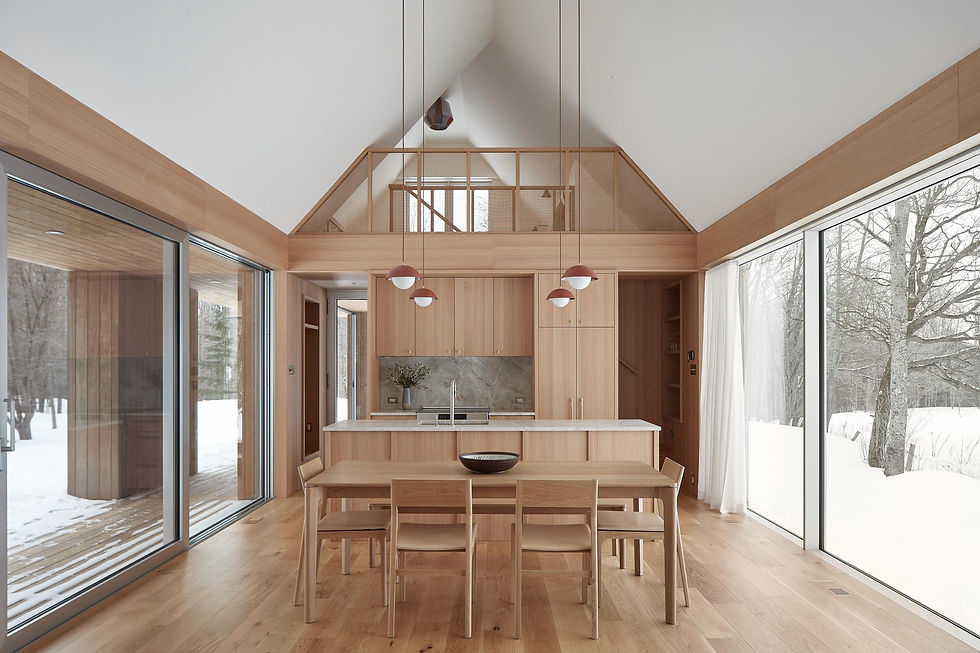
The House on the Pond, or Maison sur l'Étang in French, is a secondary dwelling designed by Montreal-based Atelier Échelle. Located in the rural municipality of Austin in Québec, Canada, the project was completed in 2023. Created to complement the client's ancestral home on the same property, the house was envisioned as a compact yet versatile "jewel box" with a strong connection to its natural surroundings. The design of the 120-square-meter house is a modern reinterpretation of traditional Québec agrarian architecture. Atelier Échelle successfully navigated tight local building regulations, which capped the floor area, by maximizing covered terraces and creating a flexible interior layout. The house is elevated on an insulated concrete block foundation, with a lower level carved into the ground, and a mezzanine level built into the gabled roof. This design allows the building to adapt to the seasons, with expanded outdoor spaces in favorable weather and a cozy, protected interior during winter. The interior spaces are characterized by warmth, timelessness, and a connection to nature. A double-height living room on the main level is anchored by a wood-burning fireplace and large windows that provide expansive views of the adjacent pond and distant mountains. The kitchen features custom rift-cut white oak millwork and a gold-streaked white quartzite counter. The primary bedroom is located on the mezzanine level, while a children's bunk room is tucked into the subterranean level. The basement also includes a TV lounge and a bathroom. The choice of materials emphasizes durability, sustainability, and a respectful connection to the local environment. The exterior cladding and decks are made of Kebony, a sustainable, modified wood product. The interiors feature rift-cut white oak millwork and unlacquered brass hardware, which will develop a rich patina over time. A soft, putty-colored sandstone is used for the sunken fire pit, complementing the gold-streaked quartzite in the kitchen. Project credits Architecture & Interior Design: Atelier Échelle Principal Architect: Mathieu Lemieux-Blanchard Location: Austin, Québec, Canada Completion Year: 2023 Photography: Maxime Brouillet Construction: Simon Fortin Millwork: Atelier Notre-Dame

Architects:


Territoire Charlevoix is a unique eco-tourism project located in the Canadian wilderness of Quebec, between La Malbaie and Baie-Saint-Paul. Designed by Montreal-based architecture firm Atelier l'Abri and completed in 2022, the project consists of several minimalist cabins and communal structures spread across a rugged landscape. The core philosophy behind the design was to create a harmonious balance between nature and architecture, promoting a low-impact, intimate, and immersive experience for guests. The cabins at Territoire Charlevoix are a product of Atelier l'Abri's ongoing reflection on "our relationship with the territory and how to inhabit it". The five small, autonomous shelters offer comfortable immersion in nature, both in summer and winter. Their orientation and carefully chosen locations provide privacy and generous views of the natural surroundings. The cabins are elevated on slender legs, a design choice that minimizes their impact on the ground and avoids the need for heavy machinery for traditional foundations. This preserves the forest environment and limits deforestation. The design balances rusticity with modernity, using limited and efficient materials to create warm, functional spaces that encourage a slower pace of life. The Territoire Charlevoix project extends beyond just the sleeping cabins. The site also includes modules for communal areas, such as viewing platforms, shared kitchens, and a visitor center with a forest buvette. The facility operates year-round, allowing visitors to experience the region's diverse landscapes and activities throughout the seasons. Project credits Architect: Atelier l'Abri Project Team: Pia Hocheneder, Jérôme Codère, Francis Martel-Labrecque, Nicolas Lapierre Client: Territoire Charlevoix Construction: Construction Éclair Photography: Raphaël Thibodeau Location: La Malbaie, Québec, Canada Completion Year: 2022


Architects:


La Pointe is a ready-to-camp micro-shelter designed by the Montreal-based architecture firm Atelier l'Abri for the Poisson Blanc Regional Park, located north of Ottawa in Quebec, Canada. This off-grid, A-frame-inspired cabin offers a unique and minimalist nature immersion for two to four guests. The project was completed in 2019. The design reinterprets the classic A-frame cabin, popular in North America since the 1950s, with a modern, minimalist aesthetic. The iconic triangular shape creates a simple, sculptural structure while offering a functional and nature-oriented space. The off-grid shelter was built on-site by Atelier l'Abri's construction team, demonstrating a commitment to hands-on, site-specific design. The structure is clad in natural cedar board and batten, which will weather over time to a silvery hue, helping it blend into the forest. A covered terrace expands the living space, creating an ideal spot to enjoy the outdoors even when the weather is less favorable. The long roof is clad in steel, a nod to timeless, rural buildings. The minimalist and efficient interior makes clever use of space and maximizes natural light. Large bay windows offer uninterrupted views of the forest and the reservoir below, flooding the interior with light. An inclined ladder leads to a lofted bed area, which is suspended from the cathedral ceiling by steel rods, creating a focal point in the space. The ground floor includes a kitchenette and a dining table that can be converted into an additional bed, accommodating up to four people. A wood-burning stove provides warmth during the frosty Canadian winters, enhancing the cozy cabin atmosphere. Project credits Architect: Atelier l'Abri Construction: Atelier l'Abri construction team Location: Poisson Blanc Regional Park, Quebec, Canada Photography: Raphaël Thibodeau Completion Year: 2019


Architects:


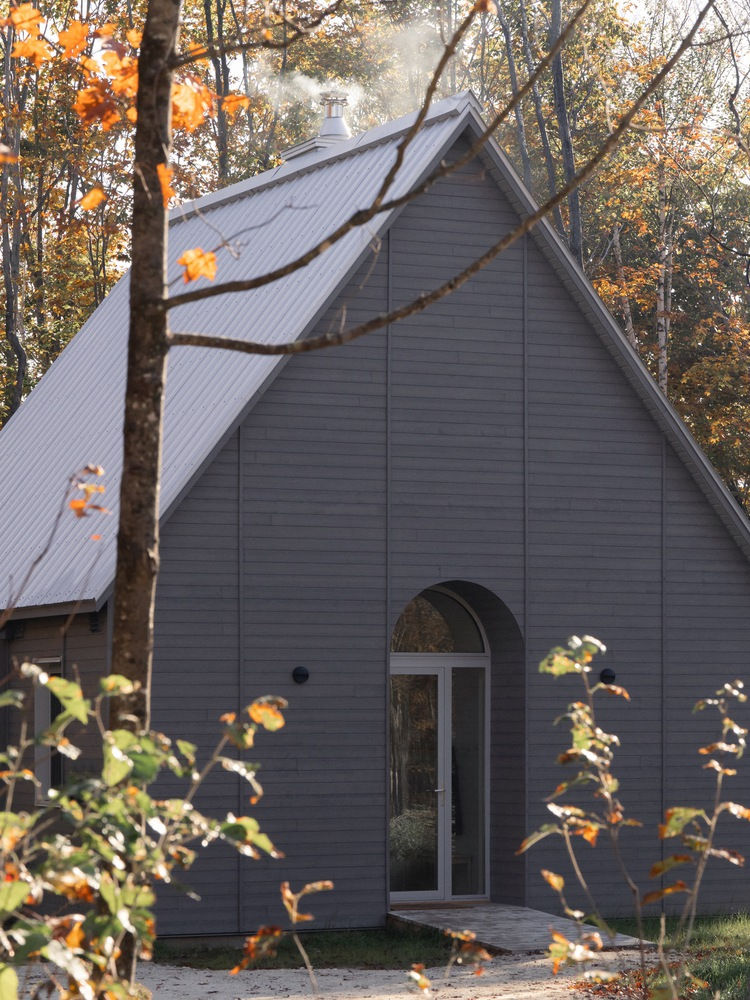
The Kanata Cabin is a minimalist and pet-friendly rental retreat designed by Atelier l'Abri, located in Mont-Tremblant, Quebec. Commissioned by a client seeking a cozy, nature-immersed escape for themselves and their dog, the project blends functionality with an ultra-compact footprint. Affectionately dubbed "La Niche" (The Nook or Kennel) by its owners, the cabin's design features elements that evoke the image of a doghouse, such as its simple, gabled shape and arched doorway. Completed in 2024, the 60-square-meter (650-square-foot) cabin is distinguished by its understated elegance and minimalist design. It is part of the larger Kanata Tremblant estate, offering visitors a unique experience within a 3,000-acre wilderness area. An arched doorway frames views of the Boreal forest, while a high cathedral ceiling and natural light create a sense of spaciousness within the modest interior. The exterior is clad in horizontal wood slabs, which will weather to a silver tone over time, allowing the cabin to blend seamlessly with the surrounding deciduous forest. The use of 2x8 stud walls and bio-sourced cellulose fiber insulation also contributes to its energy efficiency and reduced carbon footprint. The design includes a screened porch, an efficient kitchen and living area, and an exterior hot tub, offering comfortable amenities for guests and their pets. The interior layout of the single-bedroom cottage is hyper-optimized for function and comfort. The open-plan living and kitchen area features an integrated arched nook within the kitchen cabinetry, providing a cozy space for both people and pets. Despite its size, the cabin feels airy and open thanks to the cathedral ceiling and strategic use of light. Refined interior details and custom furniture modules were included to maximize space while ensuring a refined experience. Project credits Architect: Atelier L'Abri Team: Charles-Édouard Dorion, Vincent Pasquier, Nicolas Lapierre, Francis M. Labrecque Construction: Hubert Construction Photography: Raphaël Thibodeau Client: Private Location: Mont-Tremblant, Amherst, Quebec, Canada Completion Year: 2024

Architects:


Located on the banks of Lake Brome in the Eastern Townships of Quebec, Canada, the Lakeside Cabin (also known as Chalet Lakeside or Black Cabin) was designed by Montreal-based firm Atelier Schwimmer and completed in 2019. The 3,200-square-foot retreat was commissioned by two brothers, who wanted a gathering space to share their love for outdoor activities with friends and family. The design blends into its natural setting while offering a modern and inviting interior. The "canyon of hospitality": The heart of the cabin's design is a central atrium that soars three stories high. A prominent concrete fireplace anchors this space, making it a focal point visible from all levels and generating a sense of warmth and gathering. A bridge on the second floor traverses this void, connecting the private bedrooms and creating more communal space. The exterior of the cabin features a unique two-toned finish using larch wood. The exposed planks are charred using the traditional Japanese shou sugi ban method, while the recessed sections are protected with a natural oil. This interplay of dark and light enhances the cabin's striking appearance. Expansive windows and large sliding glass doors frame panoramic views of Lake Brome and the surrounding wooded landscape. The cabin is strategically positioned to take advantage of its urban-width site, which is squeezed between neighboring properties but opens up to an infinite lake view. The cabin is highly insulated and airtight, withstanding the region's cold winters, which can reach temperatures of -40°F (-40°C). The building was conceived as an "archetypal house," with a gabled roofline and multiple entrances, which helps it fit into the traditional character of the surrounding town. The interior material palette is a simple mix of concrete, wood, and glass. The ground floor, which includes the kitchen, dining room, and living room, is organized around the central fireplace. The second floor contains four bedrooms that open onto the bridge overlooking the central atrium. The cabin was designed to accommodate a range of leisure activities, including playing music, board games, and watching movies. Project credits Architect: Atelier Schwimmer Principal architect: Felix Schwimmer Design team: Felix Schwimmer, Francesca Fiaschi Location: Lac-Brome, Quebec, Canada Completion year: 2019 Photography: Adrien Williams Construction: Dunfab Construction (Guillaume Dumas) Consultants: Structural Engineer: Yannick Pelletier Hydraulic Engineer: Yves Leblanc PercoDesign: Steve St-Hilaire


Architects: