Search this site
2568 results found with an empty search
- Simple House | Scapelab | ZHIG
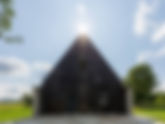
RESIDENTIAL | House | The Simple House is a modern, prefabricated timber-frame home located in the scenic, rural landscape of Radovljica, Slovenia, and designed by the architectural firm Scapelab. Completed in 2006, the project offers a contemporary take on the traditional, archetypal Slovenian farmhouse. The house was designed to be cost-effective, energy-efficient, and low-maintenance, with a construction process that allowed for rapid on-site assembly The design is centered on a basic pitched-roof volume, but its cladding offers a unique, modern interpretation. The facade features a veil of horizontally oriented timber louvers on the north and south sides, which contrast with vertically oriented zinc panels that cover the roof and parts of the east and west elevations. While the house appears to lack traditional windows from a distance, the louvers and gaps in the timber cladding allow natural light and ventilation to filter into the interior while maintaining a sense of privacy. The design is interactive, allowing occupants to adapt the house to the weather and their mood. The interior and exterior spaces are functionally distributed in a "corridorless" design, with an open floor plan that flows naturally from one space to another. The building opens up onto terraces on both the northern and southern facades, allowing residents to pursue outdoor living depending on the weather; the southern terrace offers warmth on colder days, while the northern terrace provides shade during the summer. Sustainability is a key feature of the Simple House. The highly insulated envelope, combined with solar panels on the roof and a central heating plant, ensures low running costs and a reduced environmental footprint. The use of durable, low-maintenance materials like zinc and wood further contributes to the home's longevity and minimal upkeep needs. Credits Architects: Scapelab Project Team: Marko Studen, Miha Dobrin, Katarina Hostar, Jernej Černe, Jernej Šipoš Photography: Bor Dobrin Location: Kropa, Slovenia | https://static.wixstatic.com/media/a0ba0f_638c1677fd5647099b3cd37dded0ad3a~mv2.jpg/v1/fill/w_2500,h_1667,al_c,q_90/359.Simple%20House%20by%20Scapelab-Bor%20Dobrin%20(1).jpg Please Wait 359.Simple House by Scapelab-Bor Dobrin (1).jpg "The Simple House is a modern, prefabricated timber-frame home located in the scenic, rural landscape of Radovljica, Slovenia, and designed by the architectural firm Scapelab. Completed in 2006, the project offers a contemporary take on the traditional, archetypal Slovenian farmhouse. The house was designed to be cost-effective, energy-efficient, and low-maintenance, with a construction process that allowed for rapid on-site assembly The design is centered on a basic pitched-roof volume, but its cladding offers a unique, modern interpretation. The facade features a veil of horizontally oriented timber louvers on the north and south sides, which contrast with vertically oriented zinc panels that cover the roof and parts of the east and west elevations. While the house appears to lack traditional windows from a distance, the louvers and gaps in the timber cladding allow natural light and ventilation to filter into the interior while maintaining a sense of privacy. The design is interactive, allowing occupants to adapt the house to the weather and their mood. The interior and exterior spaces are functionally distributed in a ""corridorless"" design, with an open floor plan that flows naturally from one space to another. The building opens up onto terraces on both the northern and southern facades, allowing residents to pursue outdoor living depending on the weather; the southern terrace offers warmth on colder days, while the northern terrace provides shade during the summer. Sustainability is a key feature of the Simple House. The highly insulated envelope, combined with solar panels on the roof and a central heating plant, ensures low running costs and a reduced environmental footprint. The use of durable, low-maintenance materials like zinc and wood further contributes to the home's longevity and minimal upkeep needs. Credits Architects: Scapelab Project Team: Marko Studen, Miha Dobrin, Katarina Hostar, Jernej Černe, Jernej Šipoš Photography: Bor Dobrin Location: Kropa, Slovenia" 359.Simple House by Scapelab-Bor Dobrin (2).jpg 359.Simple House by Scapelab-Bor Dobrin (5).jpg 1/3 0 Product 5.2K Views 0 0 Pin Pin Private Public x Appreciators Appreciated Appreciate Please Log in Simple House 4240 Radovljica, Slovenia Architects: Scapelab Scapelab Architecture Architecture Office Slovenia Area: Year: City: Client: - 2006 Radovljica Construction: - Category: RESIDENTIAL Project Type: House Post Type: Building Country: Slovenia Photographers: Bor Dobrin the Architects Description: The Simple House is a modern, prefabricated timber-frame home located in the scenic, rural landscape of Radovljica, Slovenia, and designed by the architectural firm Scapelab. Completed in 2006, the project offers a contemporary take on the traditional, archetypal Slovenian farmhouse. The house was designed to be cost-effective, energy-efficient, and low-maintenance, with a construction process that allowed for rapid on-site assembly The design is centered on a basic pitched-roof volume, but its cladding offers a unique, modern interpretation. The facade features a veil of horizontally oriented timber louvers on the north and south sides, which contrast with vertically oriented zinc panels that cover the roof and parts of the east and west elevations. While the house appears to lack traditional windows from a distance, the louvers and gaps in the timber cladding allow natural light and ventilation to filter into the interior while maintaining a sense of privacy. The design is interactive, allowing occupants to adapt the house to the weather and their mood. The interior and exterior spaces are functionally distributed in a "corridorless" design, with an open floor plan that flows naturally from one space to another. The building opens up onto terraces on both the northern and southern facades, allowing residents to pursue outdoor living depending on the weather; the southern terrace offers warmth on colder days, while the northern terrace provides shade during the summer. Sustainability is a key feature of the Simple House. The highly insulated envelope, combined with solar panels on the roof and a central heating plant, ensures low running costs and a reduced environmental footprint. The use of durable, low-maintenance materials like zinc and wood further contributes to the home's longevity and minimal upkeep needs. Credits Architects: Scapelab Project Team: Marko Studen, Miha Dobrin, Katarina Hostar, Jernej Černe, Jernej Šipoš Photography: Bor Dobrin Location: Kropa, Slovenia Published on September 23, 2025 by: Premium Member Media Micro Homes View all Images +9 Plans & 2Ds Signup Signup as "Architecture Office" Signup as "Manufacturer" Comment ... First & Last Name Profession E-mail Instagram (Optional) Website (Optional) Log in Share as guest Share Share Comments 0 Newest Popular Upvoted Scapelab More Projects by Please Wait Simple House 1/0 Private Public Pin Pin 0 x Appreciators 0 3D models Product 5.2K Views 0 Appreciated Appreciate Please login to appreciate ... ... ... Source: Published on ... by: Member More Buildings from Details Facts: Up Up Architecture Office Scapelab Architecture Slovenia Category: ... ... Project Type: Post Type: ... Country: ... ... Photographers: Architects: ... Area: ... Year: ... City: ... Construction: ... Client ... Description: ... Text description by Team Details Details Full Name In This Project: Up Up 1/1 1 2 3 4 5 1 ... 1 2 3 4 5 6 7 8 9 10 11 12 13 14 15 16 17 18 19 20 21 22 23 24 25 26 27 28 29 30 31 32 33 34 35 36 37 38 39 40 41 42 43 44 45 46 47 48 49 50 51 52 53 54 55 56 57 58 59 60 61 62 63 64 65 66 67 68 69 70 71 72 73 74 75 76 77 78 79 80 81 82 83 84 85 86 87 88 89 90 91 92 93 94 95 96 97 98 99 100 ... 100 Presentation / Gallery: . collapse expand Plans & 2Ds: collapse expand Materials Used: Up Up 1 2 3 4 5 1 ... 1 2 3 4 5 6 7 8 9 10 11 12 13 14 15 16 17 18 19 20 21 22 23 24 25 26 27 28 29 30 31 32 33 34 35 36 37 38 39 40 41 42 43 44 45 46 47 48 49 50 51 52 53 54 55 56 57 58 59 60 61 62 63 64 65 66 67 68 69 70 71 72 73 74 75 76 77 78 79 80 81 82 83 84 85 86 87 88 89 90 91 92 93 94 95 96 97 98 99 100 ... 100 More Projects by Full Name About .. Scapelab is an award-winning architectural firm based in Ljubljana, Slovenia, founded by Marko Studen, with partners Boris Matic and Jernej Sipos joining in 2018. The firm is known for its integrated planning, imaginative problem-solving, and contextual approach to design, particularly for large-scale public projects, urban planning, residential buildings, and renovations of historic monuments, such as the Cukrarna gallery. Scapelab has received numerous awards and commendations, including the Piranesi Prize, the Golden Pen Award, and the Plečnik Award. They focus on creating high-quality, innovative environments by combining engineering and design processes and collaborating with experts in various fields. Category ... Post Type ... Project Type ... Country ... Year ... Area ... Client ... Photographers ... www.zhiig.com Close ...
- Tom's House | Anna-Marie Chin Architects | ZHIG
RESIDENTIAL | House | Designed by Anna-Marie Chin Architects and completed in 2015, Tom's House is a compact, award-winning home located in the Jack's Point residential subdivision near Queenstown, New Zealand. The house was conceived as part one of a two-stage plan, and its design takes cues from the region's rural vernacular while providing a contemporary and dynamic living space. Drawing inspiration from a traditional rural shed, the architects utilized a simple, dark Colorsteel skin that wraps over the walls and roof of the building. The modest structure is given a modern twist through a highly sculptural Exterior: The simple shed form is reinterpreted with a gable roof running diagonally across the building, creating dynamic elevations that echo the surrounding mountain landscape. The asymmetrical ridgeline follows the contour of the land and provides variation in the internal ceiling heights. Dark, recessive tones were chosen for the walls, roof, and window frames to help the home nestle discreetly into its impressive natural environment. Interior: In contrast to the robust, protective exterior, the interior offers a warm and inviting atmosphere. Recessed areas, such as the porches and entry, are lined with honey-colored plywood, extending the interior outwards and creating a strong indoor-outdoor connection. The same warm-toned plywood lines the interior walls and ceilings, creating a sense of enclosure and coziness. Space optimization: The 156-square-meter home is designed for efficiency and flexibility. Its layout features numerous cleverly designed niches and hidden storage areas, including a mezzanine study accessed by a ladder above the dining area. Polished concrete floors provide a resilient base and help absorb warmth. Awards and recognition Despite its modest size and budget, the sophisticated design of Tom's House has been recognized with multiple awards: 2016 Home of the Year: Best Small Home (New Zealand). 2016 New Zealand Architecture Awards: Housing. 2016 Southern Architecture Awards: Winner. Credits Architects: Anna-Marie Chin Architects. Builder: Multiline Construction. Structural Engineer: Lewis Bradford & Associates. Landscape Architect: LAND. Photography: David Straight. | https://static.wixstatic.com/media/a0ba0f_1d4d4e5652a04ed4a3dc61d8d34e74ae~mv2.jpg/v1/fill/w_1197,h_741,al_c,q_85/Tom's%20House-Anna-Marie%20Chin%20Architects-David%20Straight%20(3)h.jpg Please Wait Tom's House-Anna-Marie Chin Architects-David Straight (1).jpg Designed by Anna-Marie Chin Architects and completed in 2015, Tom's House is a compact, award-winning home located in the Jack's Point residential subdivision near Queenstown, New Zealand. The house was conceived as part one of a two-stage plan, and its design takes cues from the region's rural vernacular while providing a contemporary and dynamic living space. Drawing inspiration from a traditional rural shed, the architects utilized a simple, dark Colorsteel skin that wraps over the walls and roof of the building. The modest structure is given a modern twist through a highly sculptural Exterior: The simple shed form is reinterpreted with a gable roof running diagonally across the building, creating dynamic elevations that echo the surrounding mountain landscape. The asymmetrical ridgeline follows the contour of the land and provides variation in the internal ceiling heights. Dark, recessive tones were chosen for the walls, roof, and window frames to help the home nestle discreetly into its impressive natural environment. Interior: In contrast to the robust, protective exterior, the interior offers a warm and inviting atmosphere. Recessed areas, such as the porches and entry, are lined with honey-colored plywood, extending the interior outwards and creating a strong indoor-outdoor connection. The same warm-toned plywood lines the interior walls and ceilings, creating a sense of enclosure and coziness. Space optimization: The 156-square-meter home is designed for efficiency and flexibility. Its layout features numerous cleverly designed niches and hidden storage areas, including a mezzanine study accessed by a ladder above the dining area. Polished concrete floors provide a resilient base and help absorb warmth. Awards and recognition Despite its modest size and budget, the sophisticated design of Tom's House has been recognized with multiple awards: 2016 Home of the Year: Best Small Home (New Zealand). 2016 New Zealand Architecture Awards: Housing. 2016 Southern Architecture Awards: Winner. Credits Architects: Anna-Marie Chin Architects. Builder: Multiline Construction. Structural Engineer: Lewis Bradford & Associates. Landscape Architect: LAND. Photography: David Straight. Tom's House-Anna-Marie Chin Architects-David Straight (2).jpg Tom's House-Anna-Marie Chin Architects-David Straight (12).jpg 1/6 0 Product 5.6K Views 0 0 Pin Pin Private Public x Appreciators Appreciated Appreciate Please Log in Tom's House Jacks Point 9371, New Zealand Architects: Anna-Marie Chin Architects Anna-Marie Chin Architects Architecture Office New Zealand Area: Year: City: Client: 156 m² 2015 Jack's Point Construction: Multiline Construction Category: RESIDENTIAL Project Type: House Post Type: Building Country: New Zealand Photographers: David Straight the Architects Description: Designed by Anna-Marie Chin Architects and completed in 2015, Tom's House is a compact, award-winning home located in the Jack's Point residential subdivision near Queenstown, New Zealand. The house was conceived as part one of a two-stage plan, and its design takes cues from the region's rural vernacular while providing a contemporary and dynamic living space. Drawing inspiration from a traditional rural shed, the architects utilized a simple, dark Colorsteel skin that wraps over the walls and roof of the building. The modest structure is given a modern twist through a highly sculptural Exterior: The simple shed form is reinterpreted with a gable roof running diagonally across the building, creating dynamic elevations that echo the surrounding mountain landscape. The asymmetrical ridgeline follows the contour of the land and provides variation in the internal ceiling heights. Dark, recessive tones were chosen for the walls, roof, and window frames to help the home nestle discreetly into its impressive natural environment. Interior: In contrast to the robust, protective exterior, the interior offers a warm and inviting atmosphere. Recessed areas, such as the porches and entry, are lined with honey-colored plywood, extending the interior outwards and creating a strong indoor-outdoor connection. The same warm-toned plywood lines the interior walls and ceilings, creating a sense of enclosure and coziness. Space optimization: The 156-square-meter home is designed for efficiency and flexibility. Its layout features numerous cleverly designed niches and hidden storage areas, including a mezzanine study accessed by a ladder above the dining area. Polished concrete floors provide a resilient base and help absorb warmth. Awards and recognition Despite its modest size and budget, the sophisticated design of Tom's House has been recognized with multiple awards: 2016 Home of the Year: Best Small Home (New Zealand). 2016 New Zealand Architecture Awards: Housing. 2016 Southern Architecture Awards: Winner. Credits Architects: Anna-Marie Chin Architects. Builder: Multiline Construction. Structural Engineer: Lewis Bradford & Associates. Landscape Architect: LAND. Photography: David Straight. Published on September 12, 2025 by: Premium Member Media Micro Homes View all Images +18 Plans & 2Ds Signup Signup as "Architecture Office" Signup as "Manufacturer" Comment ... First & Last Name Profession E-mail Instagram (Optional) Website (Optional) Log in Share as guest Share Share Comments 0 Newest Popular Upvoted Anna-Marie Chin Architects More Projects by Please Wait Tom's House 1/0 Private Public Pin Pin 0 x Appreciators 0 3D models Product 5.6K Views 0 Appreciated Appreciate Please login to appreciate ... ... ... Source: Published on ... by: Member More Buildings from Details Facts: Up Up Architecture Office Anna-Marie Chin Architects New Zealand Category: ... ... Project Type: Post Type: ... Country: ... ... Photographers: Architects: ... Area: ... Year: ... City: ... Construction: ... Client ... Description: ... Text description by Team Details Details Full Name In This Project: Up Up 1/1 1 2 3 4 5 1 ... 1 2 3 4 5 6 7 8 9 10 11 12 13 14 15 16 17 18 19 20 21 22 23 24 25 26 27 28 29 30 31 32 33 34 35 36 37 38 39 40 41 42 43 44 45 46 47 48 49 50 51 52 53 54 55 56 57 58 59 60 61 62 63 64 65 66 67 68 69 70 71 72 73 74 75 76 77 78 79 80 81 82 83 84 85 86 87 88 89 90 91 92 93 94 95 96 97 98 99 100 ... 100 Presentation / Gallery: . collapse expand Plans & 2Ds: collapse expand Materials Used: Up Up 1 2 3 4 5 1 ... 1 2 3 4 5 6 7 8 9 10 11 12 13 14 15 16 17 18 19 20 21 22 23 24 25 26 27 28 29 30 31 32 33 34 35 36 37 38 39 40 41 42 43 44 45 46 47 48 49 50 51 52 53 54 55 56 57 58 59 60 61 62 63 64 65 66 67 68 69 70 71 72 73 74 75 76 77 78 79 80 81 82 83 84 85 86 87 88 89 90 91 92 93 94 95 96 97 98 99 100 ... 100 More Projects by Full Name About .. Our team of eight creates buildings that are beautiful, often simple, and sit at ease with the land. The creative nature and challenge of the design are all-important, crafting buildings unique to each individual client. As registered architects, we enjoy working with clients who are interested in architecture and who want to engage in the design process. This relationship is integral to the outcome and is based on clarity and trust. The essential elements of design are texture and space. We select raw materials that invite the patina of age, giving character and warmth to a home or workplace. The created spaces – inside and out – must evoke a response, be it inspiration or simply a sense of warmth or well-being. Site is paramount. Rather than making an architectural statement, we prefer to respond to the land, creating timeless and authentic buildings to be enjoyed now and well into the future. Category ... Post Type ... Project Type ... Country ... Year ... Area ... Client ... Photographers ... www.zhiig.com Close ...
- RACV Tiny Home | Maddison Architects | ZHIG
RESIDENTIAL | Tiny Home | The RACV Tiny Home, designed by Maddison Architects in 2018, is a transportable dwelling intended to serve as a showcase for sustainable and affordable living. Commissioned by the Royal Automobile Club of Victoria (RACV) and designed by Peter Maddison, the host of Grand Designs Australia, the tiny house toured Victoria to educate the public on green building practices. The home was awarded a Commendation for Sustainable Architecture at the AIA Victorian Architecture Awards in 2019. The design is a contemporary reinterpretation of the traditional gabled house, which was chosen as an iconic shape of home. To maximize space and create a dynamic, welcoming entrance, the home features bright yellow, hydraulically-operated panels that fold out to form a deck and sunshades, reminiscent of a box unfolding. The 18.75-square-meter structure is built on a durable steel frame, allowing it to be transported on the back of a truck, and can function entirely off-grid or connect to services. Sustainability is a core component of the RACV Tiny Home. It was constructed with a seven-layered wall and roof system that includes "phase change" insulation, making it 60% more energy-efficient than a standard Australian home. It also incorporates passive design principles and active systems like integrated solar panels and battery storage. Locally sourced materials were prioritized to reduce carbon miles, including charred timber boards for the exterior and radial sawn Victorian hardwood and cork flooring for the interior. The design also features smart technology, allowing for voice-activated control of various functions, from lighting and entertainment to security and energy monitoring. The interior space is cleverly organized with a main living area that combines the kitchen, sleeping, and living spaces, along with a separate bathroom. The design includes built-in furniture to maximize efficiency, such as a built-in bed and bench, a slide-out dining table, and a cargo net that serves as a playful loft for children. Credits Architects: Maddison Architects Client: Royal Automobile Club of Victoria (RACV) Textile Consultant: Clare Kelder Builder: Simple Motion Engineering: WGA Manufacturers: Paarhammer Windows and Doors, Danaplon, Eco Timber, Envirowalk, Lysaght, Phase Change, Premium Floors Australia Photography: Andrew G. Hobbs | https://static.wixstatic.com/media/a0ba0f_5b047d599b5a4d7288e418225bd21de4~mv2.jpg/v1/fill/w_1458,h_1000,al_c,q_85/260.RACV%20Tiny%20Home%20by%20Maddison%20Architects-%20(1).jpg Please Wait 260.RACV Tiny Home by Maddison Architects- (1).jpg "The RACV Tiny Home, designed by Maddison Architects in 2018, is a transportable dwelling intended to serve as a showcase for sustainable and affordable living. Commissioned by the Royal Automobile Club of Victoria (RACV) and designed by Peter Maddison, the host of Grand Designs Australia, the tiny house toured Victoria to educate the public on green building practices. The home was awarded a Commendation for Sustainable Architecture at the AIA Victorian Architecture Awards in 2019. The design is a contemporary reinterpretation of the traditional gabled house, which was chosen as an iconic shape of home. To maximize space and create a dynamic, welcoming entrance, the home features bright yellow, hydraulically-operated panels that fold out to form a deck and sunshades, reminiscent of a box unfolding. The 18.75-square-meter structure is built on a durable steel frame, allowing it to be transported on the back of a truck, and can function entirely off-grid or connect to services. Sustainability is a core component of the RACV Tiny Home. It was constructed with a seven-layered wall and roof system that includes ""phase change"" insulation, making it 60% more energy-efficient than a standard Australian home. It also incorporates passive design principles and active systems like integrated solar panels and battery storage. Locally sourced materials were prioritized to reduce carbon miles, including charred timber boards for the exterior and radial sawn Victorian hardwood and cork flooring for the interior. The design also features smart technology, allowing for voice-activated control of various functions, from lighting and entertainment to security and energy monitoring. The interior space is cleverly organized with a main living area that combines the kitchen, sleeping, and living spaces, along with a separate bathroom. The design includes built-in furniture to maximize efficiency, such as a built-in bed and bench, a slide-out dining table, and a cargo net that serves as a playful loft for children. Credits Architects: Maddison Architects Client: Royal Automobile Club of Victoria (RACV) Textile Consultant: Clare Kelder Builder: Simple Motion Engineering: WGA Manufacturers: Paarhammer Windows and Doors, Danaplon, Eco Timber, Envirowalk, Lysaght, Phase Change, Premium Floors Australia Photography: Andrew G. Hobbs 260.RACV Tiny Home by Maddison Architects- (6).jpg 260.RACV Tiny Home by Maddison Architects- (2).jpg 1/3 0 Product 5.2K Views 0 0 Pin Pin Private Public x Appreciators Appreciated Appreciate Please Log in RACV Tiny Home 2 Winston Ct, Moorabbin VIC 3189, Australia Architects: Maddison Architects Maddison Architects Architecture Office Australia Area: Year: City: Client: 19 m² 2018 Victorian Touring Construction: Simple Motion Category: RESIDENTIAL Project Type: Tiny Home Post Type: Building Country: Australia Photographers: Andrew G. Hobbs the Architects Description: The RACV Tiny Home, designed by Maddison Architects in 2018, is a transportable dwelling intended to serve as a showcase for sustainable and affordable living. Commissioned by the Royal Automobile Club of Victoria (RACV) and designed by Peter Maddison, the host of Grand Designs Australia, the tiny house toured Victoria to educate the public on green building practices. The home was awarded a Commendation for Sustainable Architecture at the AIA Victorian Architecture Awards in 2019. The design is a contemporary reinterpretation of the traditional gabled house, which was chosen as an iconic shape of home. To maximize space and create a dynamic, welcoming entrance, the home features bright yellow, hydraulically-operated panels that fold out to form a deck and sunshades, reminiscent of a box unfolding. The 18.75-square-meter structure is built on a durable steel frame, allowing it to be transported on the back of a truck, and can function entirely off-grid or connect to services. Sustainability is a core component of the RACV Tiny Home. It was constructed with a seven-layered wall and roof system that includes "phase change" insulation, making it 60% more energy-efficient than a standard Australian home. It also incorporates passive design principles and active systems like integrated solar panels and battery storage. Locally sourced materials were prioritized to reduce carbon miles, including charred timber boards for the exterior and radial sawn Victorian hardwood and cork flooring for the interior. The design also features smart technology, allowing for voice-activated control of various functions, from lighting and entertainment to security and energy monitoring. The interior space is cleverly organized with a main living area that combines the kitchen, sleeping, and living spaces, along with a separate bathroom. The design includes built-in furniture to maximize efficiency, such as a built-in bed and bench, a slide-out dining table, and a cargo net that serves as a playful loft for children. Credits Architects: Maddison Architects Client: Royal Automobile Club of Victoria (RACV) Textile Consultant: Clare Kelder Builder: Simple Motion Engineering: WGA Manufacturers: Paarhammer Windows and Doors, Danaplon, Eco Timber, Envirowalk, Lysaght, Phase Change, Premium Floors Australia Photography: Andrew G. Hobbs Published on September 23, 2025 by: Premium Member Media Micro Homes View all Images +7 Plans & 2Ds Signup Signup as "Architecture Office" Signup as "Manufacturer" Comment ... First & Last Name Profession E-mail Instagram (Optional) Website (Optional) Log in Share as guest Share Share Comments 0 Newest Popular Upvoted Maddison Architects More Projects by Please Wait RACV Tiny Home 1/0 Private Public Pin Pin 0 x Appreciators 0 3D models Product 5.2K Views 0 Appreciated Appreciate Please login to appreciate ... ... ... Source: Published on ... by: Member More Buildings from Details Facts: Up Up Architecture Office Maddison Architects Australia Category: ... ... Project Type: Post Type: ... Country: ... ... Photographers: Architects: ... Area: ... Year: ... City: ... Construction: ... Client ... Description: ... Text description by Team Details Details Full Name In This Project: Up Up 1/1 1 2 3 4 5 1 ... 1 2 3 4 5 6 7 8 9 10 11 12 13 14 15 16 17 18 19 20 21 22 23 24 25 26 27 28 29 30 31 32 33 34 35 36 37 38 39 40 41 42 43 44 45 46 47 48 49 50 51 52 53 54 55 56 57 58 59 60 61 62 63 64 65 66 67 68 69 70 71 72 73 74 75 76 77 78 79 80 81 82 83 84 85 86 87 88 89 90 91 92 93 94 95 96 97 98 99 100 ... 100 Presentation / Gallery: . collapse expand Plans & 2Ds: collapse expand Materials Used: Up Up 1 2 3 4 5 1 ... 1 2 3 4 5 6 7 8 9 10 11 12 13 14 15 16 17 18 19 20 21 22 23 24 25 26 27 28 29 30 31 32 33 34 35 36 37 38 39 40 41 42 43 44 45 46 47 48 49 50 51 52 53 54 55 56 57 58 59 60 61 62 63 64 65 66 67 68 69 70 71 72 73 74 75 76 77 78 79 80 81 82 83 84 85 86 87 88 89 90 91 92 93 94 95 96 97 98 99 100 ... 100 More Projects by Full Name About .. Maddison Architects is a multidisciplinary design practice based in South Melbourne, Australia, founded by multi-award-winning architect and Grand Designs Australia host Peter Maddison in 1989. The firm is recognized for its significant design and delivery credentials, with a diverse portfolio encompassing residential, commercial, hospitality, and educational projects. They are committed to integrating environmental sustainability through passive design principles and collaborate with various experts to create holistic and meaningful outcomes. Category ... Post Type ... Project Type ... Country ... Year ... Area ... Client ... Photographers ... www.zhiig.com Close ...
- Cellular Siding
SIDING Appliances Appliances: Refrigerators Microwaves Feezers Stoves Ovens Ranges Cooktops Dishwashers Laundry washer Bathroom Bathroom: Toilets Towel dispensers Faucets Sinks Bath tubs Shelves Soap dispensers Trash receptacles Tissue dispensers Hand dryers Urinals Urinal screens Toilet partitions Bidets Showers Clothing hooks Tile Towel bars Grab bars Changing room Ventilation fans finishes FINISHES: Finishes Doors DOORS: Garage doors Fire doors Glass doors Sliding doors Metal doors Wood doors Overhead doors Door hardware Shower doors Folding doors Revolving doors French doors Patio doors Traffic doors Door frames Exterior doors Security doors Entry doors Access doors Pocket Doors Screen Doors Electrical ELECTRICAL: Raceways Switches Wire management Cable trays Floor boxes Power panels Wall boxes Wall plates Electrical receptacles GFCI receptacles Lighting controls Dimmers Electrical sensors Electrical plugs Cable fittings Wire connectors Data jacks Network jacks Network cabling Network enclosures Network Panels Elevators ELEVATORS: Elevator cab Modular elevators wheelchair lifts Conveyors Freight elevators Home elevators Glass elevators Hydraulic elevators Dumbwaiters Post lifts Pit lifts Escalators Vacuum elevators Dock Lifts Platform Lifts Fireplaces FIREPLACES: Gas fireplaces Electric fireplaces Wood fireplaces Wood stoves Fireplace insert Pellet stoves Venting Chimney Stairs add ADD PRODUCT Furniture FURNITURE: Table Sofa Chair Lounge Pouf Cupboard Clothes Hangers Daybed Windows HOSPITAL: Hospital Doors Hospital Furniture Hospital Beds Hospital Headwalls Radiation Shielding Lead Glass Lead Cabinets Nuclear Shielding Lead Walls Lead Curtains Lead Lined Frames Casework Acoustic Panels Corner Guards Air Conditioners / Ptac HVAC HVAC: Heaters Boilers Vents Ducts Grilles Louvers Air Conditioners Fans Furnaces Hvac Controls Air Filters Air Curtains Water Pumps Radiant Heating Thermostats Condensors Roofing ROOFING: Shingles Metal Roofing Roof Membranes Roof Tiles Bitumen Roofing Roof Underlayment Liquid Applied Roofing Slate Roofing EPDM Roofing TPO Roofing PVC Roofing Garden Roofs Gutters Roof Panels Roofing Adhesives Roof Vents Fall Protection Roof Deck Roof Accessories Sheathing kitchen KITCHEN: Cabinets Refrigerators Countertops Cabinet Hardware Cooktops Dishwashers Microwave Ovens Ovens Freezers Warming Drawers Lighting - Pendant Lighting - Recessed Faucets Ranges Hoods Sinks lighting LIGHTING: Skylights Area Lighting Track Lighting Ceiling Lights Outdoor Lighting Daylighting Emergency Lighting Tubular Skylight LED Lighting Dimmers Interior Lighting Exterior Lighting Low Voltage Lighting Safety Lighting Parking Lot Lighting Siding SIDING: Siding Flooring FLOORING: Wood flooring Radiant heating Cork flooring Tile Sports flooring Acoustic flooring Rubber flooring Dance flooring Vinyl flooring Glass flooring Floor panels Metal flooring Floor coatings Concrete flooring Floor sealants Floor underlayment Terrazzo Floor adhesives Floor supports Sheathing Masonry MASONRY: Mortar Concrete Block Cement Grout Masonry Weeps Masonry Vents Veneer Stone CMU Pavers Cast Stone Water Sealant Stucco Brick Waterproofing Membrane Paints PAINTS: Exterior Paint Interior Paint Stains Primers High Performance Stucco Coatings Aama Coatings Low Voc Paint Acrylic Paint High Performance Coating Stone STONE: Stone Pumbing PLUMBING: Toilets Bidets Lavatories Sinks Drains Valves Bath Tubs Urinals Faucets Fountains Water Filters Walls WALLS: Wall Partitions Sliding Walls Operable Walls Wall Panels Folding Walls Glass Walls Retaining Walls Water Walls Bullet Resistant Walls Motorized Wall Sheathing Garden Walls Stucco Stone Walls Paints Railings RAILINGS: Railings Windows WINDOWS: Double Hung Windows Casement Windows Fixed Windows Sliding Windows Hurricane Windows Blast Resistant Windows Impact Resistant Windows Security Windows Pass Thru Windows Composite Windows Vinyl Windows Wood Windows Metal Windows Tilt And Turn Windows Storefront Windows Add Product Cellular Siding SIDING 0 Products 0 Design Designs
- House for Parents in Jeseniky | TRI.ŠTRNÁST architekti | ZHIG
RESIDENTIAL | House | House for Parents in Jeseniky is a family residence designed by TRI.ŠTRNÁST architekti and completed around 2021 in the Czech Republic. Situated near the Jeseníky Mountains, the project involved transforming a plot where a barn once stood. Instead of demolishing the original structure entirely, the architects salvaged the monumental granite walls, inserting a new timber construction between them to preserve the site's history. The new house is connected to a separate studio/garage via a central, multifunctional outdoor terrace. The design was created for an elderly couple who wished to move from a city apartment to a house with a garden. The primary living space is on the ground floor and is designed to accommodate the couple's future needs, featuring a no-threshold layout and a bathroom accessible to wheelchairs. This main floor includes an entry foyer, bathroom, utility room, living room with dining area and kitchen, and a bedroom. A staircase leads to an attic that serves as a bedroom for visiting family and provides storage for sports equipment for the nearby Ramzová ski area. The house emphasizes sustainability and low-energy performance. The KVH (solid constructional wood) lumber beam system was assembled with minimal fasteners and insulated with blown cellulose. For durability and aesthetic continuity with local architecture, the exterior is clad in charred spruce wood, an application of the shou sugi ban technique. The interior features perimeter walls lined with unfired bricks and finished with clay plaster, which helps regulate humidity and creates a comfortable indoor climate. Heating is provided by a solid fuel stove, with electric cables as a backup. The southern facade is complemented by a stone terrace shaded by a textile canopy, preventing the building from overheating. Credits Architects: TRI.ŠTRNÁST architekti Photography: Lukáš Ildža | https://static.wixstatic.com/media/a0ba0f_961d3d1d6b044dea96ad4f09376c6c96~mv2.jpg/v1/fill/w_1333,h_1000,al_c,q_85/405.House%20for%20Parents%20in%20Jeseniky%20by%20TRI.%C5%A0TRN%C3%81ST%20architekti-Luk%C3%A1%C5%A1%20Ild%C5%BEa%20(9).jpg Please Wait 405.House for Parents in Jeseniky by TRI.ŠTRNÁST architekti-Lukáš Ildža (1).jpg "House for Parents in Jeseniky is a family residence designed by TRI.ŠTRNÁST architekti and completed around 2021 in the Czech Republic. Situated near the Jeseníky Mountains, the project involved transforming a plot where a barn once stood. Instead of demolishing the original structure entirely, the architects salvaged the monumental granite walls, inserting a new timber construction between them to preserve the site's history. The new house is connected to a separate studio/garage via a central, multifunctional outdoor terrace. The design was created for an elderly couple who wished to move from a city apartment to a house with a garden. The primary living space is on the ground floor and is designed to accommodate the couple's future needs, featuring a no-threshold layout and a bathroom accessible to wheelchairs. This main floor includes an entry foyer, bathroom, utility room, living room with dining area and kitchen, and a bedroom. A staircase leads to an attic that serves as a bedroom for visiting family and provides storage for sports equipment for the nearby Ramzová ski area. The house emphasizes sustainability and low-energy performance. The KVH (solid constructional wood) lumber beam system was assembled with minimal fasteners and insulated with blown cellulose. For durability and aesthetic continuity with local architecture, the exterior is clad in charred spruce wood, an application of the shou sugi ban technique. The interior features perimeter walls lined with unfired bricks and finished with clay plaster, which helps regulate humidity and creates a comfortable indoor climate. Heating is provided by a solid fuel stove, with electric cables as a backup. The southern facade is complemented by a stone terrace shaded by a textile canopy, preventing the building from overheating. Credits Architects: TRI.ŠTRNÁST architekti Photography: Lukáš Ildža " 405.House for Parents in Jeseniky by TRI.ŠTRNÁST architekti-Lukáš Ildža (4).jpg 405.House for Parents in Jeseniky by TRI.ŠTRNÁST architekti-Lukáš Ildža (7).jpg 1/6 0 Product 4.9K Views 0 0 Pin Pin Private Public x Appreciators Appreciated Appreciate Please Log in House for Parents in Jeseniky Stará Červená Voda, Czechia Architects: TRI.ŠTRNÁST architekti TRI.ŠTRNÁSŤ architekti Architecture Office Czechia Area: Year: City: Client: 66 m² 2020 Jeseníky Construction: - Category: RESIDENTIAL Project Type: House Post Type: Building Country: Czechia Photographers: Lukáš Ildža the Architects Description: House for Parents in Jeseniky is a family residence designed by TRI.ŠTRNÁST architekti and completed around 2021 in the Czech Republic. Situated near the Jeseníky Mountains, the project involved transforming a plot where a barn once stood. Instead of demolishing the original structure entirely, the architects salvaged the monumental granite walls, inserting a new timber construction between them to preserve the site's history. The new house is connected to a separate studio/garage via a central, multifunctional outdoor terrace. The design was created for an elderly couple who wished to move from a city apartment to a house with a garden. The primary living space is on the ground floor and is designed to accommodate the couple's future needs, featuring a no-threshold layout and a bathroom accessible to wheelchairs. This main floor includes an entry foyer, bathroom, utility room, living room with dining area and kitchen, and a bedroom. A staircase leads to an attic that serves as a bedroom for visiting family and provides storage for sports equipment for the nearby Ramzová ski area. The house emphasizes sustainability and low-energy performance. The KVH (solid constructional wood) lumber beam system was assembled with minimal fasteners and insulated with blown cellulose. For durability and aesthetic continuity with local architecture, the exterior is clad in charred spruce wood, an application of the shou sugi ban technique. The interior features perimeter walls lined with unfired bricks and finished with clay plaster, which helps regulate humidity and creates a comfortable indoor climate. Heating is provided by a solid fuel stove, with electric cables as a backup. The southern facade is complemented by a stone terrace shaded by a textile canopy, preventing the building from overheating. Credits Architects: TRI.ŠTRNÁST architekti Photography: Lukáš Ildža Published on September 23, 2025 by: Premium Member Media Micro Homes View all Images +18 Plans & 2Ds Signup Signup as "Architecture Office" Signup as "Manufacturer" Comment ... First & Last Name Profession E-mail Instagram (Optional) Website (Optional) Log in Share as guest Share Share Comments 0 Newest Popular Upvoted TRI.ŠTRNÁST architekti More Projects by Please Wait House for Parents in Jeseniky 1/0 Private Public Pin Pin 0 x Appreciators 0 3D models Product 4.9K Views 0 Appreciated Appreciate Please login to appreciate ... ... ... Source: Published on ... by: Member More Buildings from Details Facts: Up Up Architecture Office TRI.ŠTRNÁSŤ architekti Czechia Category: ... ... Project Type: Post Type: ... Country: ... ... Photographers: Architects: ... Area: ... Year: ... City: ... Construction: ... Client ... Description: ... Text description by Team Details Details Full Name In This Project: Up Up 1/1 1 2 3 4 5 1 ... 1 2 3 4 5 6 7 8 9 10 11 12 13 14 15 16 17 18 19 20 21 22 23 24 25 26 27 28 29 30 31 32 33 34 35 36 37 38 39 40 41 42 43 44 45 46 47 48 49 50 51 52 53 54 55 56 57 58 59 60 61 62 63 64 65 66 67 68 69 70 71 72 73 74 75 76 77 78 79 80 81 82 83 84 85 86 87 88 89 90 91 92 93 94 95 96 97 98 99 100 ... 100 Presentation / Gallery: . collapse expand Plans & 2Ds: collapse expand Materials Used: Up Up 1 2 3 4 5 1 ... 1 2 3 4 5 6 7 8 9 10 11 12 13 14 15 16 17 18 19 20 21 22 23 24 25 26 27 28 29 30 31 32 33 34 35 36 37 38 39 40 41 42 43 44 45 46 47 48 49 50 51 52 53 54 55 56 57 58 59 60 61 62 63 64 65 66 67 68 69 70 71 72 73 74 75 76 77 78 79 80 81 82 83 84 85 86 87 88 89 90 91 92 93 94 95 96 97 98 99 100 ... 100 More Projects by Full Name About .. TRI.ŠTRNÁSŤ architekti is a progressive architecture studio based in Brno, Czech Republic, and Prešov, Slovakia. Co-founded in 2019 by Ondrej Palenčar, the firm produces all stages of project documentation for residential and public buildings. They focus on rational, conceptual design with a fresh perspective, emphasizing client involvement, sustainability, and respecting a site's specific context. The studio, which also operates under the name TŘI.ČTRNÁCT architekti, has won awards for its work and has been featured in several professional magazines. Category ... Post Type ... Project Type ... Country ... Year ... Area ... Client ... Photographers ... www.zhiig.com Close ...
- House of Color Downtown Oasis (Red Cabin) | Noke Architects | ZHIG
RESIDENTIAL | Tiny Home | Nestled in a family allotment garden in Warsaw, Poland, the House of Color Downtown Oasis is a vibrant, 35-square-meter tiny house designed by NOKE Architects. Inspired by the colorful personalities of its owners, singer and artist Magda Grabowska-Wacławek and her husband, animator Grzegorz Wacławek, the retreat serves as a tranquil escape from city life. Its electric red color palette and maximalist design aesthetic boldly translate the owners' creative spirit into architectural form. The location, a triangular-shaped plot, presented a key constraint: the regulations for allotment gardens mandate that permanent structures cannot exceed 35 square meters. NOKE Architects used this limitation to their advantage, designing a compact cottage that maximizes both form and function. The house is intentionally hidden from the street and only gradually reveals itself as one moves through the lush, free-growing greenery of the garden. This sense of discovery begins with a winding path of red stones, complemented by a glowing art installation, that leads visitors from the street. Inside, the compact space integrates a living area, kitchen, workspace, sleeping nook, and bathroom. The vibrant color scheme extends indoors, with plywood walls and ceilings stained with natural, eco-friendly oils. The interior palette balances the expressive colors with more muted wood tones and gray flooring. Large-format glazing visually dissolves the barrier between the interior and the garden, and can be opened to extend the living space onto the terrace. A quirky, semicircular window adds an artistic touch and offers a unique vantage point of the garden. A concealed entrance and a red, chimney-like volume housing the bathroom add an element of playful secrecy to the design. The bathroom itself is a surprising sensory experience, with cobalt tiles, mirror panels, and a glass roof that allows for stargazing while bathing. Project credits Architecture: NOKE Architects Design Team: Karol Pasternak, Piotr Maciaszek, Mateusz Jaworski Photography: Piotr Maciaszek Set Design: Ania Witko Client: Magda Grabowska-Wacławek and Grzegorz Wacławek | https://static.wixstatic.com/media/a0ba0f_03d63035c73046358ab356879c23ea1e~mv2.jpg/v1/fill/w_665,h_1000,al_c,q_85/296.House%20of%20Color%20Downtown%20Oasis%20(Red%20Cabin)%20by%20Noke%20Architects-Piotr%20Maciaszek%20(1).jpg Please Wait 296.House of Color Downtown Oasis (Red Cabin) by Noke Architects-Piotr Maciaszek (1).jpg "Nestled in a family allotment garden in Warsaw, Poland, the House of Color Downtown Oasis is a vibrant, 35-square-meter tiny house designed by NOKE Architects. Inspired by the colorful personalities of its owners, singer and artist Magda Grabowska-Wacławek and her husband, animator Grzegorz Wacławek, the retreat serves as a tranquil escape from city life. Its electric red color palette and maximalist design aesthetic boldly translate the owners' creative spirit into architectural form. The location, a triangular-shaped plot, presented a key constraint: the regulations for allotment gardens mandate that permanent structures cannot exceed 35 square meters. NOKE Architects used this limitation to their advantage, designing a compact cottage that maximizes both form and function. The house is intentionally hidden from the street and only gradually reveals itself as one moves through the lush, free-growing greenery of the garden. This sense of discovery begins with a winding path of red stones, complemented by a glowing art installation, that leads visitors from the street. Inside, the compact space integrates a living area, kitchen, workspace, sleeping nook, and bathroom. The vibrant color scheme extends indoors, with plywood walls and ceilings stained with natural, eco-friendly oils. The interior palette balances the expressive colors with more muted wood tones and gray flooring. Large-format glazing visually dissolves the barrier between the interior and the garden, and can be opened to extend the living space onto the terrace. A quirky, semicircular window adds an artistic touch and offers a unique vantage point of the garden. A concealed entrance and a red, chimney-like volume housing the bathroom add an element of playful secrecy to the design. The bathroom itself is a surprising sensory experience, with cobalt tiles, mirror panels, and a glass roof that allows for stargazing while bathing. Project credits Architecture: NOKE Architects Design Team: Karol Pasternak, Piotr Maciaszek, Mateusz Jaworski Photography: Piotr Maciaszek Set Design: Ania Witko Client: Magda Grabowska-Wacławek and Grzegorz Wacławek" 296.House of Color Downtown Oasis (Red Cabin) by Noke Architects-Piotr Maciaszek (12).jpg 296.House of Color Downtown Oasis (Red Cabin) by Noke Architects-Piotr Maciaszek (3).jpg 1/6 0 Product 5.3K Views 0 0 Pin Pin Private Public x Appreciators Appreciated Appreciate Please Log in House of Color Downtown Oasis (Red Cabin) Warsaw, Poland Architects: Noke Architects Noke Architects Architecture Office Poland Area: Year: City: Client: 35 m² 2023 Warsaw Construction: - Category: RESIDENTIAL Project Type: Tiny Home Post Type: Building Country: Poland Photographers: Piotr Maciaszek the Architects Description: Nestled in a family allotment garden in Warsaw, Poland, the House of Color Downtown Oasis is a vibrant, 35-square-meter tiny house designed by NOKE Architects. Inspired by the colorful personalities of its owners, singer and artist Magda Grabowska-Wacławek and her husband, animator Grzegorz Wacławek, the retreat serves as a tranquil escape from city life. Its electric red color palette and maximalist design aesthetic boldly translate the owners' creative spirit into architectural form. The location, a triangular-shaped plot, presented a key constraint: the regulations for allotment gardens mandate that permanent structures cannot exceed 35 square meters. NOKE Architects used this limitation to their advantage, designing a compact cottage that maximizes both form and function. The house is intentionally hidden from the street and only gradually reveals itself as one moves through the lush, free-growing greenery of the garden. This sense of discovery begins with a winding path of red stones, complemented by a glowing art installation, that leads visitors from the street. Inside, the compact space integrates a living area, kitchen, workspace, sleeping nook, and bathroom. The vibrant color scheme extends indoors, with plywood walls and ceilings stained with natural, eco-friendly oils. The interior palette balances the expressive colors with more muted wood tones and gray flooring. Large-format glazing visually dissolves the barrier between the interior and the garden, and can be opened to extend the living space onto the terrace. A quirky, semicircular window adds an artistic touch and offers a unique vantage point of the garden. A concealed entrance and a red, chimney-like volume housing the bathroom add an element of playful secrecy to the design. The bathroom itself is a surprising sensory experience, with cobalt tiles, mirror panels, and a glass roof that allows for stargazing while bathing. Project credits Architecture: NOKE Architects Design Team: Karol Pasternak, Piotr Maciaszek, Mateusz Jaworski Photography: Piotr Maciaszek Set Design: Ania Witko Client: Magda Grabowska-Wacławek and Grzegorz Wacławek Published on September 23, 2025 by: Premium Member Media Micro Homes View all Images +18 Plans & 2Ds Signup Signup as "Architecture Office" Signup as "Manufacturer" Comment ... First & Last Name Profession E-mail Instagram (Optional) Website (Optional) Log in Share as guest Share Share Comments 0 Newest Popular Upvoted Noke Architects More Projects by Please Wait House of Color Downtown Oasis (Red Cabin) 1/0 Private Public Pin Pin 0 x Appreciators 0 3D models Product 5.3K Views 0 Appreciated Appreciate Please login to appreciate ... ... ... Source: Published on ... by: Member More Buildings from Details Facts: Up Up Architecture Office Noke Architects Poland Category: ... ... Project Type: Post Type: ... Country: ... ... Photographers: Architects: ... Area: ... Year: ... City: ... Construction: ... Client ... Description: ... Text description by Team Details Details Full Name In This Project: Up Up 1/1 1 2 3 4 5 1 ... 1 2 3 4 5 6 7 8 9 10 11 12 13 14 15 16 17 18 19 20 21 22 23 24 25 26 27 28 29 30 31 32 33 34 35 36 37 38 39 40 41 42 43 44 45 46 47 48 49 50 51 52 53 54 55 56 57 58 59 60 61 62 63 64 65 66 67 68 69 70 71 72 73 74 75 76 77 78 79 80 81 82 83 84 85 86 87 88 89 90 91 92 93 94 95 96 97 98 99 100 ... 100 Presentation / Gallery: . collapse expand Plans & 2Ds: collapse expand Materials Used: Up Up 1 2 3 4 5 1 ... 1 2 3 4 5 6 7 8 9 10 11 12 13 14 15 16 17 18 19 20 21 22 23 24 25 26 27 28 29 30 31 32 33 34 35 36 37 38 39 40 41 42 43 44 45 46 47 48 49 50 51 52 53 54 55 56 57 58 59 60 61 62 63 64 65 66 67 68 69 70 71 72 73 74 75 76 77 78 79 80 81 82 83 84 85 86 87 88 89 90 91 92 93 94 95 96 97 98 99 100 ... 100 More Projects by Full Name About .. NOKE Architects is a Warsaw-based architectural and design practice known for creating unique and bespoke spaces through a collaborative process. They work on a wide range of projects, including interiors, houses, hotels, offices, and brand design. Their philosophy focuses on combining architectural expertise with a client's vision to create extraordinary, functional, and aesthetically pleasing designs. They also design custom furniture and other detailed elements to ensure each project is a cohesive and soulful experience. The firm is a creative and inspired studio, deeply involved in the design process from initial concept to completion. Category ... Post Type ... Project Type ... Country ... Year ... Area ... Client ... Photographers ... www.zhiig.com Close ...
- Arte y Mano, Taller | Diego Blanes | ZHIG
RESIDENTIAL | House | Located in the desert of Baja, Arte y Mano Taller is a unique tiny house designed and built by Diego Blanes, a skilled carpenter and alternative builder, with artistic contributions from Renata, an accomplished artist. This off-grid home combines functionality with aesthetic charm through the seamless integration of natural materials. The structure encompasses an area of 18 m² (194 ft²), with an additional 12 m² (129 ft²) dedicated to a separate bathroom. The main building features a cozy loft bedroom situated above the living room. The kitchen is crafted from parota wood and adorned with artisanal Mexican tiles, while the flooring is made of lime, ensuring a sustainable approach. The house is constructed primarily from adobe, complemented by a traditional three-coat lime plaster on the exterior and a special Oaxacan clay finish on the interior. All materials were selected to minimize environmental impact, with no cement used in the construction apart from the stone foundation sourced from local rocks. Project credits Architects: Diego Blanes Photography: Marcella Bijou Location: Todos Santos, BCS, Mexico | https://static.wixstatic.com/media/c4e83a_ebaf6cd33b14423f838c57241decf043~mv2.jpeg/v1/fill/w_3024,h_4032,al_c,q_90/IMG_1730.jpeg Please Wait IMG_3430.jpeg IMG_3431.jpeg Located in the desert of Baja, the Arte y Mano Taller is a unique tiny house designed and built by Diego Blanes, a skilled carpenter and alternative builder, with artistic contributions from Renata, an accomplished artist. This off-grid home combines functionality with aesthetic charm through the seamless integration of natural materials. The structure encompasses an area of 18 m² (194 ft²), with an additional 12 m² (129 ft²) dedicated to a separate bathroom. The main building features a cozy loft bedroom situated above the living room. The kitchen is crafted from parota wood and adorned with artisanal Mexican tiles, while the flooring is made of lime, ensuring a sustainable approach. The house is constructed primarily from adobe, complemented by a traditional three-coat lime plaster on the exterior and a special Oaxacan clay finish on the interior. All materials were selected to minimize environmental impact, with no cement used in the construction apart from the stone foundation sourced from local rocks. Project credits Architects: Diego Blanes Photography: Marcella Bijou Location: Todos Santos, BCS, Mexico IMG_1734.jpeg 1/5 0 Product 1.1K Views 0 0 Pin Pin Private Public x Appreciators Appreciated Appreciate Please Log in Arte y Mano, Taller Todos Santos, BCS, Mexico Architects: Diego Blanes Full Name Architecture Office Area: Year: City: Client: 18 m² 2024 Todos Santos Construction: Category: RESIDENTIAL Project Type: House Post Type: Building Country: Mexico Photographers: Marcella Bijou the Architects Description: Located in the desert of Baja, Arte y Mano Taller is a unique tiny house designed and built by Diego Blanes, a skilled carpenter and alternative builder, with artistic contributions from Renata, an accomplished artist. This off-grid home combines functionality with aesthetic charm through the seamless integration of natural materials. The structure encompasses an area of 18 m² (194 ft²), with an additional 12 m² (129 ft²) dedicated to a separate bathroom. The main building features a cozy loft bedroom situated above the living room. The kitchen is crafted from parota wood and adorned with artisanal Mexican tiles, while the flooring is made of lime, ensuring a sustainable approach. The house is constructed primarily from adobe, complemented by a traditional three-coat lime plaster on the exterior and a special Oaxacan clay finish on the interior. All materials were selected to minimize environmental impact, with no cement used in the construction apart from the stone foundation sourced from local rocks. Project credits Architects: Diego Blanes Photography: Marcella Bijou Location: Todos Santos, BCS, Mexico Submitted by Diego Blanes to Micro Homes on 21/08/2026 Published on August 25, 2026 by: Premium Member Media Micro Homes View all Images +14 Plans & 2Ds Signup Signup as "Architecture Office" Signup as "Manufacturer" Comment ... First & Last Name Profession E-mail Instagram (Optional) Website (Optional) Log in Share as guest Share Share Comments 0 Newest Popular Upvoted Diego Blanes More Projects by Please Wait Arte y Mano, Taller 1/0 Private Public Pin Pin 0 x Appreciators 0 3D models Product 1.1K Views 0 Appreciated Appreciate Please login to appreciate ... ... ... Source: Published on ... by: Member More Buildings from Details Facts: Up Up Category: ... ... Project Type: Post Type: ... Country: ... ... Photographers: Architects: ... Area: ... Year: ... City: ... Construction: ... Client ... Description: ... Text description by Team Details Details Full Name In This Project: Up Up 1/1 1 2 3 4 5 1 ... 1 2 3 4 5 6 7 8 9 10 11 12 13 14 15 16 17 18 19 20 21 22 23 24 25 26 27 28 29 30 31 32 33 34 35 36 37 38 39 40 41 42 43 44 45 46 47 48 49 50 51 52 53 54 55 56 57 58 59 60 61 62 63 64 65 66 67 68 69 70 71 72 73 74 75 76 77 78 79 80 81 82 83 84 85 86 87 88 89 90 91 92 93 94 95 96 97 98 99 100 ... 100 Presentation / Gallery: . collapse expand Plans & 2Ds: collapse expand Materials Used: Up Up 1 2 3 4 5 1 ... 1 2 3 4 5 6 7 8 9 10 11 12 13 14 15 16 17 18 19 20 21 22 23 24 25 26 27 28 29 30 31 32 33 34 35 36 37 38 39 40 41 42 43 44 45 46 47 48 49 50 51 52 53 54 55 56 57 58 59 60 61 62 63 64 65 66 67 68 69 70 71 72 73 74 75 76 77 78 79 80 81 82 83 84 85 86 87 88 89 90 91 92 93 94 95 96 97 98 99 100 ... 100 More Projects by Full Name About .. Category ... Post Type ... Project Type ... Country ... Year ... Area ... Client ... Photographers ... www.zhiig.com Close ...
- Ecohouse Module S22 | Ilya Shevchenko | ZHIG
RESIDENTIAL | Modular House | The Ecohouse Module S22, designed by Ilya Shevchenko for the architectural bureau Strawmodul, is a prefabricated and modular tiny house series focused on eco-friendly, sustainable living. The project was developed as a "growing" home, allowing for phased construction and future expansion from the initial 22-square-meter module to a larger residence of up to 100 square meters. The initial prototype, completed in 2019, is situated on the rocky coast of Crimea. The core of the Ecohouse S22's sustainability is its unique construction method, which uses prefabricated straw panels. These panels are made from compressed straw bales set within a strong wooden frame. This method allows the house kit to be delivered in pieces and erected quickly, typically within two to three days. The use of straw as insulation provides excellent thermal properties, exceeding the heat-insulating performance of traditional wood or brick walls and aligning with European passive house standards for minimal heat loss. As straw is a renewable natural resource, this construction method is eco-friendly, utilizes what would otherwise be considered agricultural waste, and generates minimal construction waste. The design of the Crimea prototype features a strong, cantilevered terrace that projects from the dense vegetation, offering elevated views of the coast and surrounding mountains. To protect against prying eyes, the main facade with its wide window is hidden from passersby. Inside, the two-story module is compactly arranged, with a hallway and bathroom on the first floor and a quieter bedroom area on the second. The house is also equipped with solar panels, designed to provide a significant portion of its energy needs. Credits Architect: Ilya Shevchenko Architecture Firm: Strawmodul Photography: Ilya Shevchenko | https://static.wixstatic.com/media/a0ba0f_d2b1a47eff9842c19c68ae1feec05b41~mv2.jpg/v1/fill/w_1510,h_1000,al_c,q_85/194.Ecohouse%20Module%20S22%20by%20Ilya%20Shevchenko%20(1).jpg Please Wait 194.Ecohouse Module S22 by Ilya Shevchenko (1).jpg The Ecohouse Module S22, designed by Ilya Shevchenko for the architectural bureau Strawmodul, is a prefabricated and modular tiny house series focused on eco-friendly, sustainable living. The project was developed as a "growing" home, allowing for phased construction and future expansion from the initial 22-square-meter module to a larger residence of up to 100 square meters. The initial prototype, completed in 2019, is situated on the rocky coast of Crimea. The core of the Ecohouse S22's sustainability is its unique construction method, which uses prefabricated straw panels. These panels are made from compressed straw bales set within a strong wooden frame. This method allows the house kit to be delivered in pieces and erected quickly, typically within two to three days. The use of straw as insulation provides excellent thermal properties, exceeding the heat-insulating performance of traditional wood or brick walls and aligning with European passive house standards for minimal heat loss. As straw is a renewable natural resource, this construction method is eco-friendly, utilizes what would otherwise be considered agricultural waste, and generates minimal construction waste. The design of the Crimea prototype features a strong, cantilevered terrace that projects from the dense vegetation, offering elevated views of the coast and surrounding mountains. To protect against prying eyes, the main facade with its wide window is hidden from passersby. Inside, the two-story module is compactly arranged, with a hallway and bathroom on the first floor and a quieter bedroom area on the second. The house is also equipped with solar panels, designed to provide a significant portion of its energy needs. Credits Architect: Ilya Shevchenko Architecture Firm: Strawmodul Photography: Ilya Shevchenko 194.Ecohouse Module S22 by Ilya Shevchenko (2).jpg 194.Ecohouse Module S22 by Ilya Shevchenko (3).jpg 1/4 0 Product 5.3K Views 0 0 Pin Pin Private Public x Appreciators Appreciated Appreciate Please Log in Ecohouse Module S22 Alupka Architects: Ilya Shevchenko Ilya Shevchenko Architecture Office Russia Area: Year: City: Client: 22 m² 2019 Alupka, Crimea - Construction: Strawmodul Category: RESIDENTIAL Project Type: Modular House Post Type: Building Country: Russia Photographers: Ilya Shevchenko the Architects Description: The Ecohouse Module S22, designed by Ilya Shevchenko for the architectural bureau Strawmodul, is a prefabricated and modular tiny house series focused on eco-friendly, sustainable living. The project was developed as a "growing" home, allowing for phased construction and future expansion from the initial 22-square-meter module to a larger residence of up to 100 square meters. The initial prototype, completed in 2019, is situated on the rocky coast of Crimea. The core of the Ecohouse S22's sustainability is its unique construction method, which uses prefabricated straw panels. These panels are made from compressed straw bales set within a strong wooden frame. This method allows the house kit to be delivered in pieces and erected quickly, typically within two to three days. The use of straw as insulation provides excellent thermal properties, exceeding the heat-insulating performance of traditional wood or brick walls and aligning with European passive house standards for minimal heat loss. As straw is a renewable natural resource, this construction method is eco-friendly, utilizes what would otherwise be considered agricultural waste, and generates minimal construction waste. The design of the Crimea prototype features a strong, cantilevered terrace that projects from the dense vegetation, offering elevated views of the coast and surrounding mountains. To protect against prying eyes, the main facade with its wide window is hidden from passersby. Inside, the two-story module is compactly arranged, with a hallway and bathroom on the first floor and a quieter bedroom area on the second. The house is also equipped with solar panels, designed to provide a significant portion of its energy needs. Credits Architect: Ilya Shevchenko Architecture Firm: Strawmodul Photography: Ilya Shevchenko Published on September 23, 2025 by: Premium Member Media Micro Homes View all Images +12 Plans & 2Ds Signup Signup as "Architecture Office" Signup as "Manufacturer" Comment ... First & Last Name Profession E-mail Instagram (Optional) Website (Optional) Log in Share as guest Share Share Comments 0 Newest Popular Upvoted Ilya Shevchenko More Projects by Please Wait Ecohouse Module S22 1/0 Private Public Pin Pin 0 x Appreciators 0 3D models Product 5.3K Views 0 Appreciated Appreciate Please login to appreciate ... ... ... Source: Published on ... by: Member More Buildings from Details Facts: Up Up Architecture Office Ilya Shevchenko Russia Category: ... ... Project Type: Post Type: ... Country: ... ... Photographers: Architects: ... Area: ... Year: ... City: ... Construction: ... Client ... Description: ... Text description by Team Details Details Full Name In This Project: Up Up 1/1 1 2 3 4 5 1 ... 1 2 3 4 5 6 7 8 9 10 11 12 13 14 15 16 17 18 19 20 21 22 23 24 25 26 27 28 29 30 31 32 33 34 35 36 37 38 39 40 41 42 43 44 45 46 47 48 49 50 51 52 53 54 55 56 57 58 59 60 61 62 63 64 65 66 67 68 69 70 71 72 73 74 75 76 77 78 79 80 81 82 83 84 85 86 87 88 89 90 91 92 93 94 95 96 97 98 99 100 ... 100 Presentation / Gallery: . collapse expand Plans & 2Ds: collapse expand Materials Used: Up Up 1 2 3 4 5 1 ... 1 2 3 4 5 6 7 8 9 10 11 12 13 14 15 16 17 18 19 20 21 22 23 24 25 26 27 28 29 30 31 32 33 34 35 36 37 38 39 40 41 42 43 44 45 46 47 48 49 50 51 52 53 54 55 56 57 58 59 60 61 62 63 64 65 66 67 68 69 70 71 72 73 74 75 76 77 78 79 80 81 82 83 84 85 86 87 88 89 90 91 92 93 94 95 96 97 98 99 100 ... 100 More Projects by Full Name About .. Ilya Shevchenko is a Moscow-based architect known for his work with the company Strawmodul, which specializes in producing prefabricated, eco-friendly modular homes with walls made from pressed straw panels. The architect's projects, such as the Ecohouse Module S22, focus on sustainable construction, energy efficiency (meeting passive house standards), and adaptable designs using natural, renewable materials. He is known for a contextual approach that creates durable and energy-efficient homes that connect with their natural surroundings. Category ... Post Type ... Project Type ... Country ... Year ... Area ... Client ... Photographers ... www.zhiig.com Close ...
- ZHIG | Sierra Leone
Sierra Leone | Buildings, Projects, Architects, People, Brands..wix:vector://v1/9756fd_be48b9215d584063aa4288f501a8fb8e.svg/00%20(161).svg Zimbabwe Zambia Yemen Western Sahara Wales Vietnam Globe Globe PDFs & Catalogs Globe Gallery 3D models Globe Materials Globe Articles Globe x Sierra Leone The rank indicates the popularity of a country among users. By clicking on the 'Appreciate' button, you can contribute to elevating a country's rank. Each 'Appreciate' click adds to the country's rank, so feel free to express your appreciation by boosting countries with content that resonates with you. ... Rank ... Views 0 Info. About Contact Buildings Projects Architects People Brands 0 0 0 0 0 Join Architecture in Sierra Leone is a historically profound narrative of West African indigenous roots interwoven with a unique architectural legacy imported by the Krio people—liberated African Americans and West Indians who settled in Freetown in the late 18th and 19th centuries. This historic migration introduced a striking fusion of American antebellum layouts, Caribbean cottage details, and British Victorian framing to the tropical Atlantic coast, creating a layered built landscape that stands alongside traditional tribal earth structures and mid-century concrete civic centers. Read more Contact Information: Please login to appreciate Appreciated Appreciate Buildings Projects Architects People Brands Influencers Inspiration No Buildings yet. No Architecture Offices yet. 1 2 3 ... 100 1 ... 1 2 3 4 5 6 7 8 9 10 11 12 13 14 15 16 17 18 19 20 21 22 23 24 25 26 27 28 29 30 31 32 33 34 35 36 37 38 39 40 41 42 43 44 45 46 47 48 49 50 51 52 53 54 55 56 57 58 59 60 61 62 63 64 65 66 67 68 69 70 71 72 73 74 75 76 77 78 79 80 81 82 83 84 85 86 87 88 89 90 91 92 93 94 95 96 97 98 99 100 ... 100 No Brands yet. No Projects yet. No Projects yet. No Projects yet. 1 2 3 ... 100 1 ... 1 2 3 4 5 6 7 8 9 10 11 12 13 14 15 16 17 18 19 20 21 22 23 24 25 26 27 28 29 30 31 32 33 34 35 36 37 38 39 40 41 42 43 44 45 46 47 48 49 50 51 52 53 54 55 56 57 58 59 60 61 62 63 64 65 66 67 68 69 70 71 72 73 74 75 76 77 78 79 80 81 82 83 84 85 86 87 88 89 90 91 92 93 94 95 96 97 98 99 100 ... 100 www.zhiig.com
- Manufactured Product, &Tradition, Catch JH2
Catch JH2 Catch JH2 Designed By Jaime Hayon 2013 &Tradition Manufacturer Denmark View Storefront Category: FURNITURE Chair Materials: Colour: Polished Aluminium Available in a variety of fabrics and leathers Product Code: Manufacture Year: H: 90cm/35.4in, D: 58cm/22.8in, W: 58cm/22.8in Armrest H: 68cm/26.8in, Seating H: 45cm/17.7in, Seating D: 42cm / 16.5in Dimensions: 0.00 BIM/CAD Retailers Map © copyrights to: andtradition.com &Tradition Denmark See all More by &Tradition Like Liked Please login to like Catch JH2 May 20, 2023 Overview Details Comments Category Chair Environment Indoor Dimensions H: 90cm/35.4in, D: 58cm/22.8in, W: 58cm/22.8in Armrest H: 68cm/26.8in, Seating H: 45cm/17.7in, Seating D: 42cm / 16.5in Weight 9.5 kg Gliders Plastic gliders installed as standard Product Material Molded PU foam, HR foam, cast aluminium swivel base, fabric or leather upholstery Production Process The chair is made from a molded PU foam core covered in soft HR foam for superior comfort. The swivel base is made from cast aluminum Upholstery Available in a variety of fabrics. Please refer to the product configurator. COM must be approved by &Tradition to ensure suitability for upholstery. Base Finishes Polished Aluminium Black Powder Coating PDF When Jaime Hayon started working on Catch, he drew a man with open arms, like a chair that wants to catch you - and the chair works like that. &Tradition’s collaboration with Jaime Hayon dates to when the company was founded in 2010, and Catch was the first product to come out of the exchange between Hayon and &Tradition in 2013. The Catch-series now involves chairs with both wooden legs and swivel base, bar & counter chair and two different lounge chairs. This chair comes in two different variants. Sign up to join the conversation In order to have your Name and photo displayed you must have "Info. Card". Job Title Full Name Position Position Comment Comments: Full Name Job Title Position This is a subparagraph test for comments Position Full Name Job Title Position ... .. More Comments 0 Likes 0 Views 0 Comments www.Zhiig .com 1/1 Details Overview Comments Category Chair Environment Indoor Dimensions H: 90cm/35.4in, D: 58cm/22.8in, W: 58cm/22.8in Armrest H: 68cm/26.8in, Seating H: 45cm/17.7in, Seating D: 42cm / 16.5in Weight 9.5 kg Gliders Plastic gliders installed as standard Product Material Molded PU foam, HR foam, cast aluminium swivel base, fabric or leather upholstery Production Process The chair is made from a molded PU foam core covered in soft HR foam for superior comfort. The swivel base is made from cast aluminum Upholstery Available in a variety of fabrics. Please refer to the product configurator. COM must be approved by &Tradition to ensure suitability for upholstery. Base Finishes Polished Aluminium Black Powder Coating When Jaime Hayon started working on Catch, he drew a man with open arms, like a chair that wants to catch you - and the chair works like that. &Tradition’s collaboration with Jaime Hayon dates to when the company was founded in 2010, and Catch was the first product to come out of the exchange between Hayon and &Tradition in 2013. The Catch-series now involves chairs with both wooden legs and swivel base, bar & counter chair and two different lounge chairs. This chair comes in two different variants. Sign up to join the conversation In order to have your Name and photo displayed you must have "Info. Card" . Job Title Full Name Position Position Comment Comments: More Comments
- Minotti | ZHIG
Minotti | Furniture | Minotti is an Italian furniture brand that creates high-end furniture pieces with a timeless design. With a focus on craftsmanship and quality, Minotti's products exude luxury, elegance, and sophistication. Minotti 1/0 Minotti Furniture Globe Italy 1948 Since 0 Products 813 Views 0 Info. Company Overview Contact Person Address: Pianezza, Piazza Indipendenza, 13, 10044, Turin, Italy Zip code: Type of organisation: Corporation Type of Business: Furniture No. of employees: In-house working languages: 1948 Year Established: Founder: Alberto Minotti Phone Home Globe Phone: E-mail: Website: Visit Minotti is an Italian furniture brand that creates high-end furniture pieces with a timeless design. With a focus on craftsmanship and quality, Minotti's products exude luxury, elegance, and sophistication. Contact Information: Phone Home Phone Number: E-mail: Appreciated Appreciate Please login to appreciate Globe Menu Our Catalogues Globe Our Gallery Globe Our Products Globe About Us Globe Management Team Pinterest Instagram YouTube Products Catalogs Inspiration Articles 1/2 TITLE ... ... ... No Articles yet. 1 2 3 4 5 1 ... 1 2 3 4 5 6 7 8 9 10 11 12 13 14 15 16 17 18 19 20 21 22 23 24 25 26 27 28 29 30 31 32 33 34 35 36 37 38 39 40 41 42 43 44 45 46 47 48 49 50 51 52 53 54 55 56 57 58 59 60 61 62 63 64 65 66 67 68 69 70 71 72 73 74 75 76 77 78 79 80 81 82 83 84 85 86 87 88 89 90 91 92 93 94 95 96 97 98 99 100 ... 100 Our Products Management Team Our Gallery Our Catalogues Pinterest Instagram YouTube Contact Visit Website About Us Our latest video Phone Number: E-mail: Home OUR PRODUCTS: Up Up View more OUR CATALOGS: Up Up COMPANY'S GALLERY: Up Up OUR MANAGEMENT TEAM: Up Up 1/1 1 2 3 4 5 1 ... 1 2 3 4 5 6 7 8 9 10 11 12 13 14 15 16 17 18 19 20 21 22 23 24 25 26 27 28 29 30 31 32 33 34 35 36 37 38 39 40 41 42 43 44 45 46 47 48 49 50 51 52 53 54 55 56 57 58 59 60 61 62 63 64 65 66 67 68 69 70 71 72 73 74 75 76 77 78 79 80 81 82 83 84 85 86 87 88 89 90 91 92 93 94 95 96 97 98 99 100 ... 100 ARTICLES Up Up 1/1 1/1 ABOUT Minotti Italy as Joined December 1, 2023 Manufacturer Globe Pianezza, Piazza Indipendenza, 13, 10044, Turin, Italy 1/1 No Products Yet. . . .
- Interior Doors
DOORS Appliances Appliances: Refrigerators Microwaves Feezers Stoves Ovens Ranges Cooktops Dishwashers Laundry washer Bathroom Bathroom: Toilets Towel dispensers Faucets Sinks Bath tubs Shelves Soap dispensers Trash receptacles Tissue dispensers Hand dryers Urinals Urinal screens Toilet partitions Bidets Showers Clothing hooks Tile Towel bars Grab bars Changing room Ventilation fans finishes FINISHES: Finishes Doors DOORS: Garage doors Fire doors Glass doors Sliding doors Metal doors Wood doors Overhead doors Door hardware Shower doors Folding doors Revolving doors French doors Patio doors Traffic doors Door frames Exterior doors Security doors Entry doors Access doors Pocket Doors Screen Doors Electrical ELECTRICAL: Raceways Switches Wire management Cable trays Floor boxes Power panels Wall boxes Wall plates Electrical receptacles GFCI receptacles Lighting controls Dimmers Electrical sensors Electrical plugs Cable fittings Wire connectors Data jacks Network jacks Network cabling Network enclosures Network Panels Elevators ELEVATORS: Elevator cab Modular elevators wheelchair lifts Conveyors Freight elevators Home elevators Glass elevators Hydraulic elevators Dumbwaiters Post lifts Pit lifts Escalators Vacuum elevators Dock Lifts Platform Lifts Fireplaces FIREPLACES: Gas fireplaces Electric fireplaces Wood fireplaces Wood stoves Fireplace insert Pellet stoves Venting Chimney Stairs add ADD PRODUCT Furniture FURNITURE: Table Sofa Chair Lounge Pouf Cupboard Clothes Hangers Daybed Windows HOSPITAL: Hospital Doors Hospital Furniture Hospital Beds Hospital Headwalls Radiation Shielding Lead Glass Lead Cabinets Nuclear Shielding Lead Walls Lead Curtains Lead Lined Frames Casework Acoustic Panels Corner Guards Air Conditioners / Ptac HVAC HVAC: Heaters Boilers Vents Ducts Grilles Louvers Air Conditioners Fans Furnaces Hvac Controls Air Filters Air Curtains Water Pumps Radiant Heating Thermostats Condensors Roofing ROOFING: Shingles Metal Roofing Roof Membranes Roof Tiles Bitumen Roofing Roof Underlayment Liquid Applied Roofing Slate Roofing EPDM Roofing TPO Roofing PVC Roofing Garden Roofs Gutters Roof Panels Roofing Adhesives Roof Vents Fall Protection Roof Deck Roof Accessories Sheathing kitchen KITCHEN: Cabinets Refrigerators Countertops Cabinet Hardware Cooktops Dishwashers Microwave Ovens Ovens Freezers Warming Drawers Lighting - Pendant Lighting - Recessed Faucets Ranges Hoods Sinks lighting LIGHTING: Skylights Area Lighting Track Lighting Ceiling Lights Outdoor Lighting Daylighting Emergency Lighting Tubular Skylight LED Lighting Dimmers Interior Lighting Exterior Lighting Low Voltage Lighting Safety Lighting Parking Lot Lighting Siding SIDING: Siding Flooring FLOORING: Wood flooring Radiant heating Cork flooring Tile Sports flooring Acoustic flooring Rubber flooring Dance flooring Vinyl flooring Glass flooring Floor panels Metal flooring Floor coatings Concrete flooring Floor sealants Floor underlayment Terrazzo Floor adhesives Floor supports Sheathing Masonry MASONRY: Mortar Concrete Block Cement Grout Masonry Weeps Masonry Vents Veneer Stone CMU Pavers Cast Stone Water Sealant Stucco Brick Waterproofing Membrane Paints PAINTS: Exterior Paint Interior Paint Stains Primers High Performance Stucco Coatings Aama Coatings Low Voc Paint Acrylic Paint High Performance Coating Stone STONE: Stone Pumbing PLUMBING: Toilets Bidets Lavatories Sinks Drains Valves Bath Tubs Urinals Faucets Fountains Water Filters Walls WALLS: Wall Partitions Sliding Walls Operable Walls Wall Panels Folding Walls Glass Walls Retaining Walls Water Walls Bullet Resistant Walls Motorized Wall Sheathing Garden Walls Stucco Stone Walls Paints Railings RAILINGS: Railings Windows WINDOWS: Double Hung Windows Casement Windows Fixed Windows Sliding Windows Hurricane Windows Blast Resistant Windows Impact Resistant Windows Security Windows Pass Thru Windows Composite Windows Vinyl Windows Wood Windows Metal Windows Tilt And Turn Windows Storefront Windows Add Product Interior Doors DOORS 0 Products 0 Design Designs
- Wood Railings
RAILINGS Appliances Appliances: Refrigerators Microwaves Feezers Stoves Ovens Ranges Cooktops Dishwashers Laundry washer Bathroom Bathroom: Toilets Towel dispensers Faucets Sinks Bath tubs Shelves Soap dispensers Trash receptacles Tissue dispensers Hand dryers Urinals Urinal screens Toilet partitions Bidets Showers Clothing hooks Tile Towel bars Grab bars Changing room Ventilation fans finishes FINISHES: Finishes Doors DOORS: Garage doors Fire doors Glass doors Sliding doors Metal doors Wood doors Overhead doors Door hardware Shower doors Folding doors Revolving doors French doors Patio doors Traffic doors Door frames Exterior doors Security doors Entry doors Access doors Pocket Doors Screen Doors Electrical ELECTRICAL: Raceways Switches Wire management Cable trays Floor boxes Power panels Wall boxes Wall plates Electrical receptacles GFCI receptacles Lighting controls Dimmers Electrical sensors Electrical plugs Cable fittings Wire connectors Data jacks Network jacks Network cabling Network enclosures Network Panels Elevators ELEVATORS: Elevator cab Modular elevators wheelchair lifts Conveyors Freight elevators Home elevators Glass elevators Hydraulic elevators Dumbwaiters Post lifts Pit lifts Escalators Vacuum elevators Dock Lifts Platform Lifts Fireplaces FIREPLACES: Gas fireplaces Electric fireplaces Wood fireplaces Wood stoves Fireplace insert Pellet stoves Venting Chimney Stairs add ADD PRODUCT Furniture FURNITURE: Table Sofa Chair Lounge Pouf Cupboard Clothes Hangers Daybed Windows HOSPITAL: Hospital Doors Hospital Furniture Hospital Beds Hospital Headwalls Radiation Shielding Lead Glass Lead Cabinets Nuclear Shielding Lead Walls Lead Curtains Lead Lined Frames Casework Acoustic Panels Corner Guards Air Conditioners / Ptac HVAC HVAC: Heaters Boilers Vents Ducts Grilles Louvers Air Conditioners Fans Furnaces Hvac Controls Air Filters Air Curtains Water Pumps Radiant Heating Thermostats Condensors Roofing ROOFING: Shingles Metal Roofing Roof Membranes Roof Tiles Bitumen Roofing Roof Underlayment Liquid Applied Roofing Slate Roofing EPDM Roofing TPO Roofing PVC Roofing Garden Roofs Gutters Roof Panels Roofing Adhesives Roof Vents Fall Protection Roof Deck Roof Accessories Sheathing kitchen KITCHEN: Cabinets Refrigerators Countertops Cabinet Hardware Cooktops Dishwashers Microwave Ovens Ovens Freezers Warming Drawers Lighting - Pendant Lighting - Recessed Faucets Ranges Hoods Sinks lighting LIGHTING: Skylights Area Lighting Track Lighting Ceiling Lights Outdoor Lighting Daylighting Emergency Lighting Tubular Skylight LED Lighting Dimmers Interior Lighting Exterior Lighting Low Voltage Lighting Safety Lighting Parking Lot Lighting Siding SIDING: Siding Flooring FLOORING: Wood flooring Radiant heating Cork flooring Tile Sports flooring Acoustic flooring Rubber flooring Dance flooring Vinyl flooring Glass flooring Floor panels Metal flooring Floor coatings Concrete flooring Floor sealants Floor underlayment Terrazzo Floor adhesives Floor supports Sheathing Masonry MASONRY: Mortar Concrete Block Cement Grout Masonry Weeps Masonry Vents Veneer Stone CMU Pavers Cast Stone Water Sealant Stucco Brick Waterproofing Membrane Paints PAINTS: Exterior Paint Interior Paint Stains Primers High Performance Stucco Coatings Aama Coatings Low Voc Paint Acrylic Paint High Performance Coating Stone STONE: Stone Pumbing PLUMBING: Toilets Bidets Lavatories Sinks Drains Valves Bath Tubs Urinals Faucets Fountains Water Filters Walls WALLS: Wall Partitions Sliding Walls Operable Walls Wall Panels Folding Walls Glass Walls Retaining Walls Water Walls Bullet Resistant Walls Motorized Wall Sheathing Garden Walls Stucco Stone Walls Paints Railings RAILINGS: Railings Windows WINDOWS: Double Hung Windows Casement Windows Fixed Windows Sliding Windows Hurricane Windows Blast Resistant Windows Impact Resistant Windows Security Windows Pass Thru Windows Composite Windows Vinyl Windows Wood Windows Metal Windows Tilt And Turn Windows Storefront Windows Add Product Wood Railings RAILINGS 0 Products 0 Design Designs
- The Lookout Cabin | Dana McCarter Architecture | ZHIG
RESIDENTIAL | Cabin | The Lookout Cabin, designed by Dana McCarter Architecture, is a small, two-story guest house located on Bruny Island off the coast of Tasmania, Australia. Situated on a grassy paddock, the cabin is designed to blend quietly into the island's unique coastal landscape while offering dramatic, uninterrupted views of the Tasman Sea. The cabin is designed for both immersion in nature and quiet refuge from the elements. The layout emphasizes a strong connection between the interior and the rugged, natural environment. With its materials chosen to weather and age gracefully, the cabin reinforces a sense of permanence and belonging within the Tasmanian landscape. The Lookout is situated on Lunawuni/Bruny Island, a location known for its windswept coastal beauty. This specific site allows the cabin to feel secluded while maximizing the spectacular ocean views. The exterior cladding is made from materials chosen for their resilience against the harsh coastal climate and their ability to age beautifully over time, helping the cabin to settle into the landscape. The interior palette is warm and durable, balancing exposed concrete elements with recycled local timbers for a tactile feel. The cabin spans two levels, ensuring that both the living and sleeping areas have expansive, uninterrupted ocean views. Oversized glass sliding doors open directly onto the rugged landscape, blurring the line between inside and out and heightening the connection to the sea. Despite its small size, the space was designed to be comfortable and functional for guest accommodation. The low-impact design of the structure allows for a unique, intimate experience of the native wildlife and vegetation. The design emphasizes observing the natural world from a position of warmth and safety. Project credits Architects: Dana McCarter Architecture. Principal: Dana McCarter. Photography: Adam Gibson. | https://static.wixstatic.com/media/a0ba0f_e2c961cf712f403f8bcd2cb08c694020~mv2.jpeg/v1/fill/w_784,h_588,al_c,q_85/88.The%20lookout%20cabin-Dana%20McCarter%20Architecture-Adam%20Gibson%20(1).jpeg Please Wait 88.The lookout cabin-Dana McCarter Architecture-Adam Gibson (1).jpeg The Lookout Cabin, designed by Dana McCarter Architecture, is a small, two-story guest house located on Bruny Island off the coast of Tasmania, Australia. Situated on a grassy paddock, the cabin is designed to blend quietly into the island's unique coastal landscape while offering dramatic, uninterrupted views of the Tasman Sea. The cabin is designed for both immersion in nature and quiet refuge from the elements. The layout emphasizes a strong connection between the interior and the rugged, natural environment. With its materials chosen to weather and age gracefully, the cabin reinforces a sense of permanence and belonging within the Tasmanian landscape. The Lookout is situated on Lunawuni/Bruny Island, a location known for its windswept coastal beauty. This specific site allows the cabin to feel secluded while maximizing the spectacular ocean views. The exterior cladding is made from materials chosen for their resilience against the harsh coastal climate and their ability to age beautifully over time, helping the cabin to settle into the landscape. The interior palette is warm and durable, balancing exposed concrete elements with recycled local timbers for a tactile feel. The cabin spans two levels, ensuring that both the living and sleeping areas have expansive, uninterrupted ocean views. Oversized glass sliding doors open directly onto the rugged landscape, blurring the line between inside and out and heightening the connection to the sea. Despite its small size, the space was designed to be comfortable and functional for guest accommodation. The low-impact design of the structure allows for a unique, intimate experience of the native wildlife and vegetation. The design emphasizes observing the natural world from a position of warmth and safety. Project credits Architects: Dana McCarter Architecture. Principal: Dana McCarter. Photography: Adam Gibson. 88.The lookout cabin-Dana McCarter Architecture-Adam Gibson (13).jpeg 88.The lookout cabin-Dana McCarter Architecture-Adam Gibson (10).jpeg 1/6 0 Product 6.5K Views 0 0 Pin Pin Private Public x Appreciators Appreciated Appreciate Please Log in The Lookout Cabin Bruny Island, Tasmania, Australia Architects: Dana McCarter Architecture Dana McCarter Architecture Architecture Office Australia Area: Year: City: Client: - Bruny Island Construction: - Category: RESIDENTIAL Project Type: Cabin Post Type: Building Country: Australia Photographers: Adam Gibson the Architects Description: The Lookout Cabin, designed by Dana McCarter Architecture, is a small, two-story guest house located on Bruny Island off the coast of Tasmania, Australia. Situated on a grassy paddock, the cabin is designed to blend quietly into the island's unique coastal landscape while offering dramatic, uninterrupted views of the Tasman Sea. The cabin is designed for both immersion in nature and quiet refuge from the elements. The layout emphasizes a strong connection between the interior and the rugged, natural environment. With its materials chosen to weather and age gracefully, the cabin reinforces a sense of permanence and belonging within the Tasmanian landscape. The Lookout is situated on Lunawuni/Bruny Island, a location known for its windswept coastal beauty. This specific site allows the cabin to feel secluded while maximizing the spectacular ocean views. The exterior cladding is made from materials chosen for their resilience against the harsh coastal climate and their ability to age beautifully over time, helping the cabin to settle into the landscape. The interior palette is warm and durable, balancing exposed concrete elements with recycled local timbers for a tactile feel. The cabin spans two levels, ensuring that both the living and sleeping areas have expansive, uninterrupted ocean views. Oversized glass sliding doors open directly onto the rugged landscape, blurring the line between inside and out and heightening the connection to the sea. Despite its small size, the space was designed to be comfortable and functional for guest accommodation. The low-impact design of the structure allows for a unique, intimate experience of the native wildlife and vegetation. The design emphasizes observing the natural world from a position of warmth and safety. Project credits Architects: Dana McCarter Architecture. Principal: Dana McCarter. Photography: Adam Gibson. Published on September 23, 2025 by: Premium Member Media Micro Homes View all Images +18 Plans & 2Ds Signup Signup as "Architecture Office" Signup as "Manufacturer" Comment ... First & Last Name Profession E-mail Instagram (Optional) Website (Optional) Log in Share as guest Share Share Comments 0 Newest Popular Upvoted Dana McCarter Architecture More Projects by Please Wait The Lookout Cabin 1/0 Private Public Pin Pin 0 x Appreciators 0 3D models Product 6.5K Views 0 Appreciated Appreciate Please login to appreciate ... ... ... Source: Published on ... by: Member More Buildings from Details Facts: Up Up Architecture Office Dana McCarter Architecture Australia Category: ... ... Project Type: Post Type: ... Country: ... ... Photographers: Architects: ... Area: ... Year: ... City: ... Construction: ... Client ... Description: ... Text description by Team Details Details Full Name In This Project: Up Up 1/1 1 2 3 4 5 1 ... 1 2 3 4 5 6 7 8 9 10 11 12 13 14 15 16 17 18 19 20 21 22 23 24 25 26 27 28 29 30 31 32 33 34 35 36 37 38 39 40 41 42 43 44 45 46 47 48 49 50 51 52 53 54 55 56 57 58 59 60 61 62 63 64 65 66 67 68 69 70 71 72 73 74 75 76 77 78 79 80 81 82 83 84 85 86 87 88 89 90 91 92 93 94 95 96 97 98 99 100 ... 100 Presentation / Gallery: . collapse expand Plans & 2Ds: collapse expand Materials Used: Up Up 1 2 3 4 5 1 ... 1 2 3 4 5 6 7 8 9 10 11 12 13 14 15 16 17 18 19 20 21 22 23 24 25 26 27 28 29 30 31 32 33 34 35 36 37 38 39 40 41 42 43 44 45 46 47 48 49 50 51 52 53 54 55 56 57 58 59 60 61 62 63 64 65 66 67 68 69 70 71 72 73 74 75 76 77 78 79 80 81 82 83 84 85 86 87 88 89 90 91 92 93 94 95 96 97 98 99 100 ... 100 More Projects by Full Name About .. Dana McCarter Architecture is a Tasmanian studio committed to creating environmentally responsive and finely detailed solutions, enriching the lives of occupants and the built environment. The firm is led by Dana McCarter, who has been practicing architecture for over 15 years. The studio is known for its collaborative process and a focus on site-specific and sustainable design, as evidenced by projects like the "Lookout Cabin". Category ... Post Type ... Project Type ... Country ... Year ... Area ... Client ... Photographers ... www.zhiig.com Close ...
- Room & Board | ZHIG
Room & Board | Furniture | Room & Board is a US-based furniture retailer that offers modern and sustainable home furnishings. With a focus on quality craftsmanship and timeless design, Room & Board provides furniture pieces and accessories that enhance the comfort and functionality of living spaces. Room & Board 1/0 Room & Board Furniture Globe United States 1980 Since 0 Products 588 Views 0 Info. Company Overview Contact Person Address: 4600 Olson Memorial Hwy, Minneapolis, MN 55422, United States Zip code: Type of organisation: Corporation Type of Business: Furniture No. of employees: In-house working languages: 1980 Year Established: Founder: John Gabbert Phone Home Globe Phone: E-mail: Website: Visit Room & Board is a US-based furniture retailer that offers modern and sustainable home furnishings. With a focus on quality craftsmanship and timeless design, Room & Board provides furniture pieces and accessories that enhance the comfort and functionality of living spaces. Contact Information: Phone Home Phone Number: E-mail: Appreciated Appreciate Please login to appreciate Globe Menu Our Catalogues Globe Our Gallery Globe Our Products Globe About Us Globe Management Team Pinterest Instagram YouTube Products Catalogs Inspiration Articles 1/2 TITLE ... ... ... No Articles yet. 1 2 3 4 5 1 ... 1 2 3 4 5 6 7 8 9 10 11 12 13 14 15 16 17 18 19 20 21 22 23 24 25 26 27 28 29 30 31 32 33 34 35 36 37 38 39 40 41 42 43 44 45 46 47 48 49 50 51 52 53 54 55 56 57 58 59 60 61 62 63 64 65 66 67 68 69 70 71 72 73 74 75 76 77 78 79 80 81 82 83 84 85 86 87 88 89 90 91 92 93 94 95 96 97 98 99 100 ... 100 Our Products Management Team Our Gallery Our Catalogues Pinterest Instagram YouTube Contact Visit Website About Us Our latest video Phone Number: E-mail: Home OUR PRODUCTS: Up Up View more OUR CATALOGS: Up Up COMPANY'S GALLERY: Up Up OUR MANAGEMENT TEAM: Up Up 1/1 1 2 3 4 5 1 ... 1 2 3 4 5 6 7 8 9 10 11 12 13 14 15 16 17 18 19 20 21 22 23 24 25 26 27 28 29 30 31 32 33 34 35 36 37 38 39 40 41 42 43 44 45 46 47 48 49 50 51 52 53 54 55 56 57 58 59 60 61 62 63 64 65 66 67 68 69 70 71 72 73 74 75 76 77 78 79 80 81 82 83 84 85 86 87 88 89 90 91 92 93 94 95 96 97 98 99 100 ... 100 ARTICLES Up Up 1/1 1/1 ABOUT Room & Board United States as Joined December 1, 2023 Manufacturer Globe 4600 Olson Memorial Hwy, Minneapolis, MN 55422, United States 1/1 No Products Yet. . . .
- Bivouac Under Grintovec Shelter | Miha Kajzelj Architects | ZHIG
SHELTERS | Prefabricated | Nestled on a high mountain plateau at 2,080 meters above sea level in Slovenia's Kamnik Alps, the Bivouac Under Grintovec, also known as the Pavle Kemperle Shelter, is a three-story minimalist shelter designed by architect Miha Kajzelj. Built in 2009 to replace an older, deteriorating bivouac, the new structure serves as a free refuge for mountaineers navigating the rugged landscape of Veliki podi beneath Mount Grintovec. Its vertical form is intended to be a highly visible landmark, easily spotted by hikers against the rock in summer or snow in winter. The shelter's design was heavily influenced by the extreme alpine environment and the logistical challenges of building at such a remote site, accessible only by foot. The components of the bivouac were prefabricated for minimal weight and transported to the site by helicopter. It rests on a small concrete base anchored into the bedrock, minimizing its footprint on the landscape. The structure is a simple volume, measuring 2 by 3 meters with a height of 4.5 meters. The exterior is clad in black aluminum panels, which contribute to its striking appearance against the backdrop of the mountains. The interior, with a total floor area of 14 square meters, is arranged across three vertical levels connected by a ladder. Large, vertical windows are strategically placed at the corners to frame dramatic views of the surrounding peaks, giving the impression that the upper sleeping levels are "floating" above the mountain scenery. The bivouac is unheated but designed for energy efficiency. The aluminum outer panels provide insulation to retain the heat generated by the occupants' bodies, while the inner skin of perforated wooden panels allows moisture to escape, ensuring a dry and warm interior. The vertical layout means that heat naturally rises to the upper sleeping levels, which can comfortably accommodate up to eight people. The ground floor provides a living and dining area with benches and a small table. The successful realization of the bivouac earned Miha Kajzelj the Plečnik Medal in 2011. Project credits Architecture: Miha Kajzelj Photography: Matevž Paternoster Client: Gorska reševalna služba Kamnik (Kamnik Mountain Rescue Service) Original Structure: Built in 1973 by the Kamnik Mountain Rescue Service | https://static.wixstatic.com/media/a0ba0f_82fe3465922e48adb7ddba9ef68674b2~mv2.jpg/v1/fill/w_698,h_483,al_c,q_80/282.Bivouac%20Under%20Grintovec%20Shelter%20by%20Miha%20Kajzelj%20Architects-Matev%C5%BE%20Paternoster%20(1)1.jpg Please Wait 282.Bivouac Under Grintovec Shelter by Miha Kajzelj Architects-Matevž Paternoster (1).jpg "Nestled on a high mountain plateau at 2,080 meters above sea level in Slovenia's Kamnik Alps, the Bivouac Under Grintovec, also known as the Pavle Kemperle Shelter, is a three-story minimalist shelter designed by architect Miha Kajzelj. Built in 2009 to replace an older, deteriorating bivouac, the new structure serves as a free refuge for mountaineers navigating the rugged landscape of Veliki podi beneath Mount Grintovec. Its vertical form is intended to be a highly visible landmark, easily spotted by hikers against the rock in summer or snow in winter. The shelter's design was heavily influenced by the extreme alpine environment and the logistical challenges of building at such a remote site, accessible only by foot. The components of the bivouac were prefabricated for minimal weight and transported to the site by helicopter. It rests on a small concrete base anchored into the bedrock, minimizing its footprint on the landscape. The structure is a simple volume, measuring 2 by 3 meters with a height of 4.5 meters. The exterior is clad in black aluminum panels, which contribute to its striking appearance against the backdrop of the mountains. The interior, with a total floor area of 14 square meters, is arranged across three vertical levels connected by a ladder. Large, vertical windows are strategically placed at the corners to frame dramatic views of the surrounding peaks, giving the impression that the upper sleeping levels are ""floating"" above the mountain scenery. The bivouac is unheated but designed for energy efficiency. The aluminum outer panels provide insulation to retain the heat generated by the occupants' bodies, while the inner skin of perforated wooden panels allows moisture to escape, ensuring a dry and warm interior. The vertical layout means that heat naturally rises to the upper sleeping levels, which can comfortably accommodate up to eight people. The ground floor provides a living and dining area with benches and a small table. The successful realization of the bivouac earned Miha Kajzelj the Plečnik Medal in 2011. Project credits Architecture: Miha Kajzelj Photography: Matevž Paternoster Client: Gorska reševalna služba Kamnik (Kamnik Mountain Rescue Service) Original Structure: Built in 1973 by the Kamnik Mountain Rescue Service" 282.Bivouac Under Grintovec Shelter by Miha Kajzelj Architects-Matevž Paternoster (5).jpg 282.Bivouac Under Grintovec Shelter by Miha Kajzelj Architects-Matevž Paternoster (6).jpg 1/4 0 Product 5.2K Views 0 0 Pin Pin Private Public x Appreciators Appreciated Appreciate Please Log in Bivouac Under Grintovec Shelter 1241 Kamnik, Slovenia Architects: Miha Kajzelj Architects Miha Kajzelj Architects Architecture Office Slovenia Area: Year: City: Client: 6 m² 2021 Kamnik Alps Construction: - Category: SHELTERS Project Type: Prefabricated Post Type: Building Country: Slovenia Photographers: Matevž Paternoster the Architects Description: Nestled on a high mountain plateau at 2,080 meters above sea level in Slovenia's Kamnik Alps, the Bivouac Under Grintovec, also known as the Pavle Kemperle Shelter, is a three-story minimalist shelter designed by architect Miha Kajzelj. Built in 2009 to replace an older, deteriorating bivouac, the new structure serves as a free refuge for mountaineers navigating the rugged landscape of Veliki podi beneath Mount Grintovec. Its vertical form is intended to be a highly visible landmark, easily spotted by hikers against the rock in summer or snow in winter. The shelter's design was heavily influenced by the extreme alpine environment and the logistical challenges of building at such a remote site, accessible only by foot. The components of the bivouac were prefabricated for minimal weight and transported to the site by helicopter. It rests on a small concrete base anchored into the bedrock, minimizing its footprint on the landscape. The structure is a simple volume, measuring 2 by 3 meters with a height of 4.5 meters. The exterior is clad in black aluminum panels, which contribute to its striking appearance against the backdrop of the mountains. The interior, with a total floor area of 14 square meters, is arranged across three vertical levels connected by a ladder. Large, vertical windows are strategically placed at the corners to frame dramatic views of the surrounding peaks, giving the impression that the upper sleeping levels are "floating" above the mountain scenery. The bivouac is unheated but designed for energy efficiency. The aluminum outer panels provide insulation to retain the heat generated by the occupants' bodies, while the inner skin of perforated wooden panels allows moisture to escape, ensuring a dry and warm interior. The vertical layout means that heat naturally rises to the upper sleeping levels, which can comfortably accommodate up to eight people. The ground floor provides a living and dining area with benches and a small table. The successful realization of the bivouac earned Miha Kajzelj the Plečnik Medal in 2011. Project credits Architecture: Miha Kajzelj Photography: Matevž Paternoster Client: Gorska reševalna služba Kamnik (Kamnik Mountain Rescue Service) Original Structure: Built in 1973 by the Kamnik Mountain Rescue Service Published on September 23, 2025 by: Premium Member Media Micro Homes View all Images +11 Plans & 2Ds Signup Signup as "Architecture Office" Signup as "Manufacturer" Comment ... First & Last Name Profession E-mail Instagram (Optional) Website (Optional) Log in Share as guest Share Share Comments 0 Newest Popular Upvoted Miha Kajzelj Architects More Projects by Please Wait Bivouac Under Grintovec Shelter 1/0 Private Public Pin Pin 0 x Appreciators 0 3D models Product 5.2K Views 0 Appreciated Appreciate Please login to appreciate ... ... ... Source: Published on ... by: Member More Buildings from Details Facts: Up Up Architecture Office Miha Kajzelj Architects Slovenia Category: ... ... Project Type: Post Type: ... Country: ... ... Photographers: Architects: ... Area: ... Year: ... City: ... Construction: ... Client ... Description: ... Text description by Team Details Details Full Name In This Project: Up Up 1/1 1 2 3 4 5 1 ... 1 2 3 4 5 6 7 8 9 10 11 12 13 14 15 16 17 18 19 20 21 22 23 24 25 26 27 28 29 30 31 32 33 34 35 36 37 38 39 40 41 42 43 44 45 46 47 48 49 50 51 52 53 54 55 56 57 58 59 60 61 62 63 64 65 66 67 68 69 70 71 72 73 74 75 76 77 78 79 80 81 82 83 84 85 86 87 88 89 90 91 92 93 94 95 96 97 98 99 100 ... 100 Presentation / Gallery: . collapse expand Plans & 2Ds: collapse expand Materials Used: Up Up 1 2 3 4 5 1 ... 1 2 3 4 5 6 7 8 9 10 11 12 13 14 15 16 17 18 19 20 21 22 23 24 25 26 27 28 29 30 31 32 33 34 35 36 37 38 39 40 41 42 43 44 45 46 47 48 49 50 51 52 53 54 55 56 57 58 59 60 61 62 63 64 65 66 67 68 69 70 71 72 73 74 75 76 77 78 79 80 81 82 83 84 85 86 87 88 89 90 91 92 93 94 95 96 97 98 99 100 ... 100 More Projects by Full Name About .. Miha Kajzelj is a Slovenian architect known for his contextual designs that often respond to nature and human activity. Formerly part of the firm MODULAR arhitekti, he is recognized for creating unique structures that are site-specific and environmentally sensitive, such as the Bivouac Under Grintovec Shelter in the Kamnik Alps. His work, which includes residential, hospitality, and public projects, emphasizes the importance of a critical approach to context and seeks to create an interactive design process that involves the user within the created space. Category ... Post Type ... Project Type ... Country ... Year ... Area ... Client ... Photographers ... www.zhiig.com Close ...